All photos: Kenji Haruta
The chance to re-visit the whole experience of a World Skateboarding Tour stop, with the distance of time separating us somewhat, has a two-fold benefit.
In the first instance, it allows everything from photography to ranking changes to percolate and settle and so we gain a more informed perspective beyond the tricks and the mechanics of running the day-to-day operations of a week-long contest.
At the risk of blowing our own trumpets, that 7 days of action saw 190 entrants from 45 nations of the earth (including, for the first time, Cambodia) representing all 5 inhabited continents in the only truly global open skateboarding contest series in the world. A matter of deomonstrable fact, not opinion.
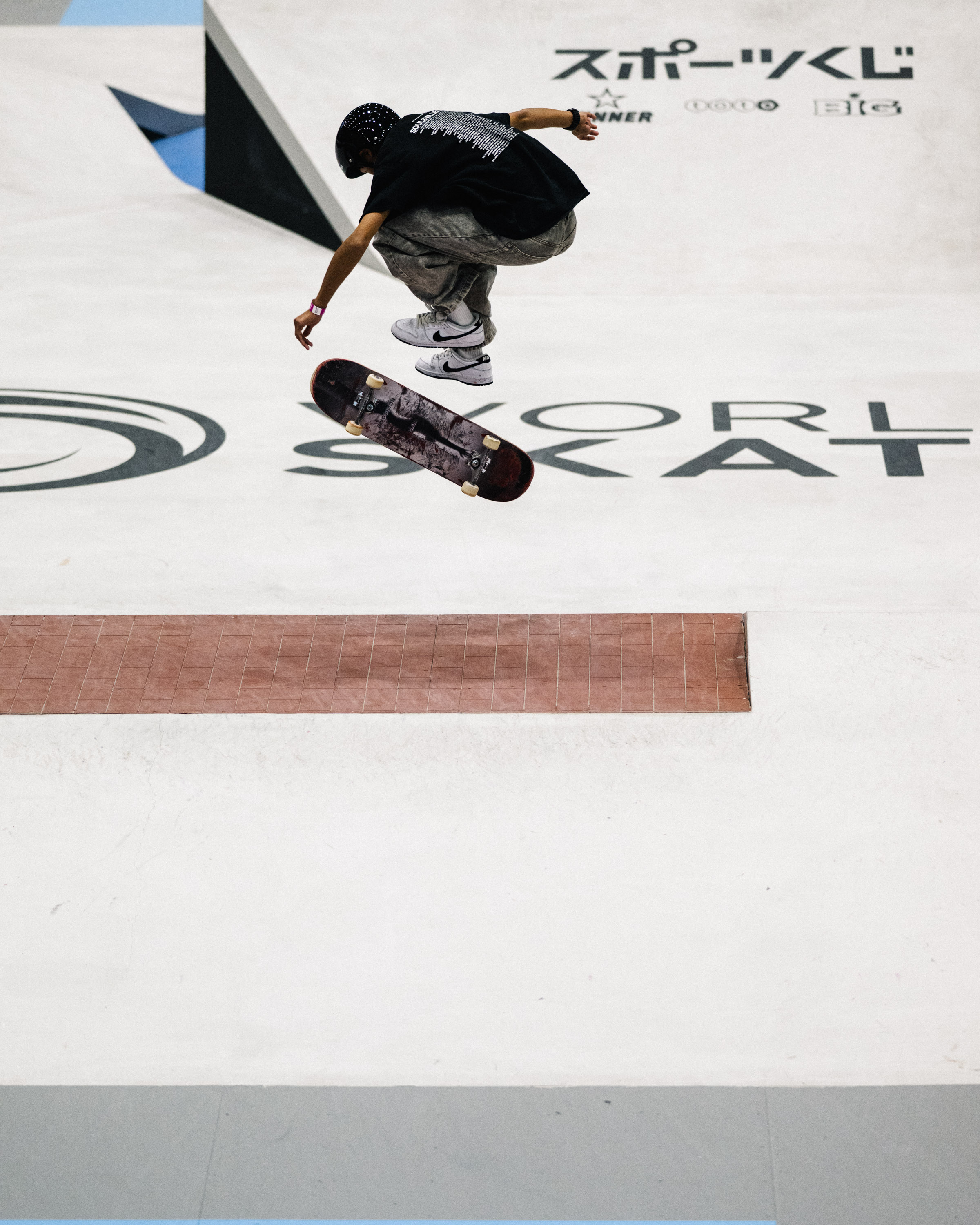
That fact is also reflected in the way in which winners of invitational events often flounder in this genuinely come-one, come-all environment.
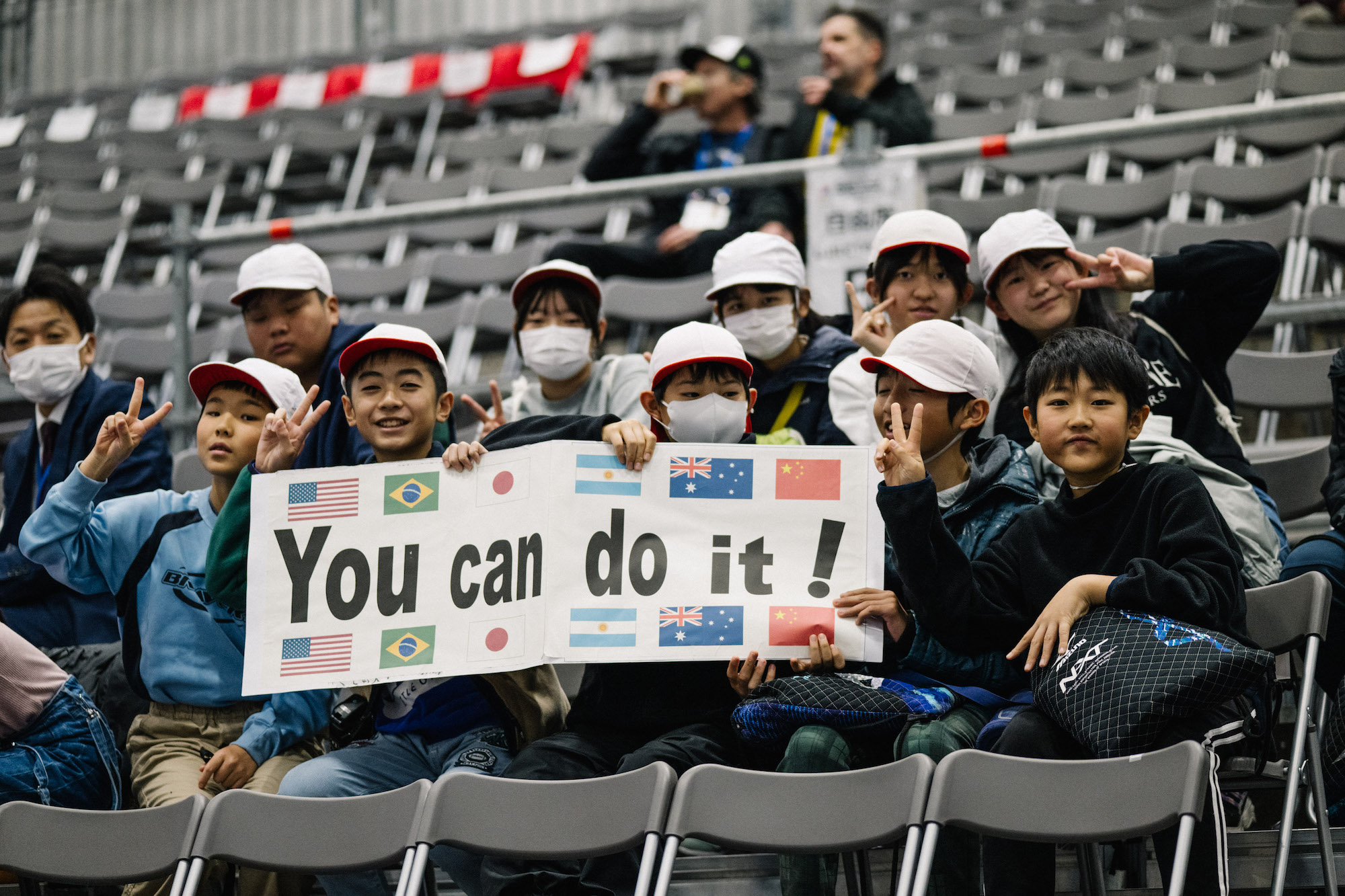
Which leads us onto the second advantage of this flyover: to give some shine to more of the 188 awesome skateboarders who don’t win, because they are our people too. In some ways, the World Skateboarding Tour has become the new awareneness pipeline of skateboarding sponsorship.
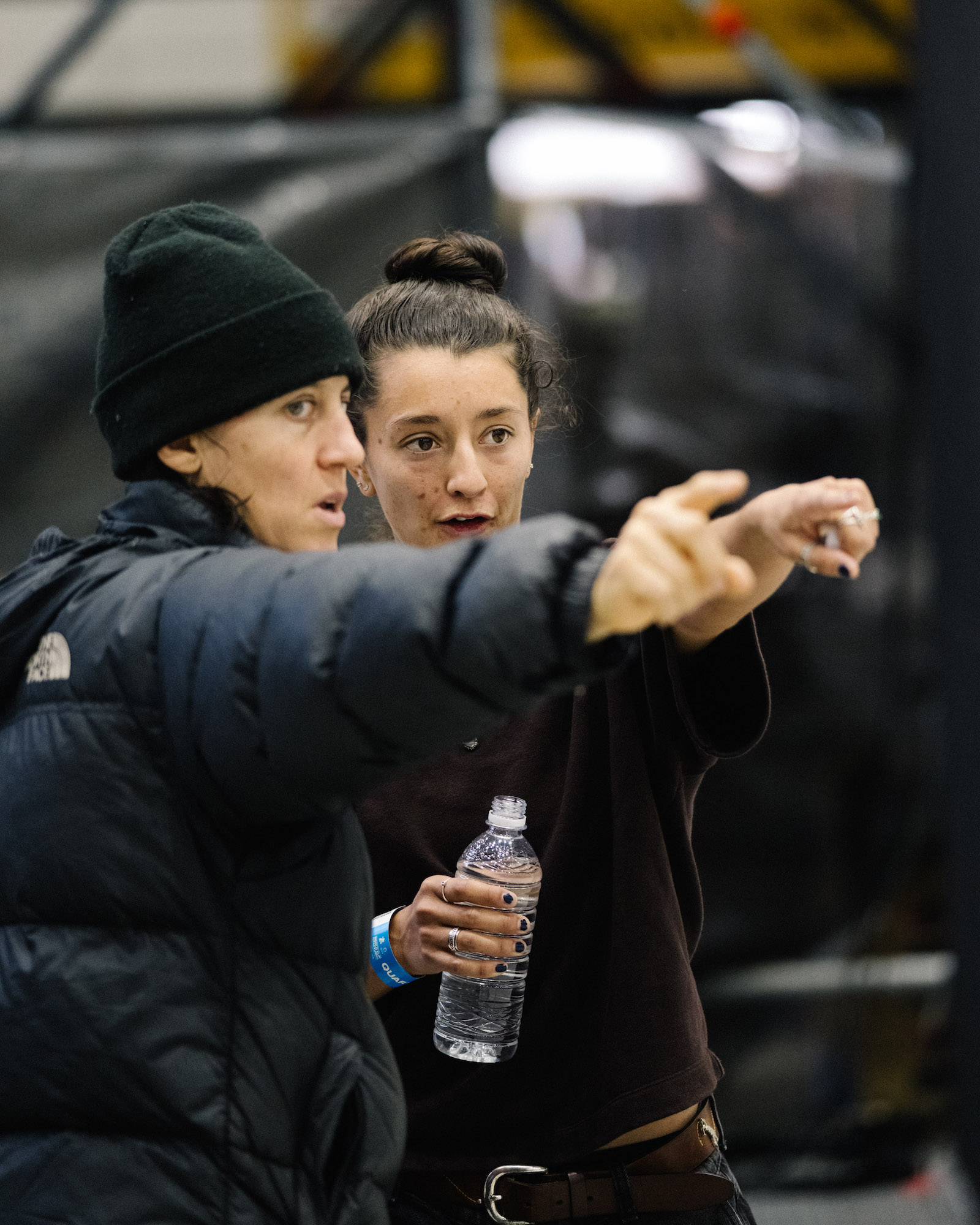
As the sole Olympic pathway, the WST is where the stars of tomorrow first shine: Chloe Covell, Momiji Nishiya, Aoi Uemura, Ibuki Matsumoto, Tate Carew, Cordano Russell, Funa Nakayama and many others now afforded the first-name seal of endorsement all entered the WST as unknown quantities and blew up along the way.
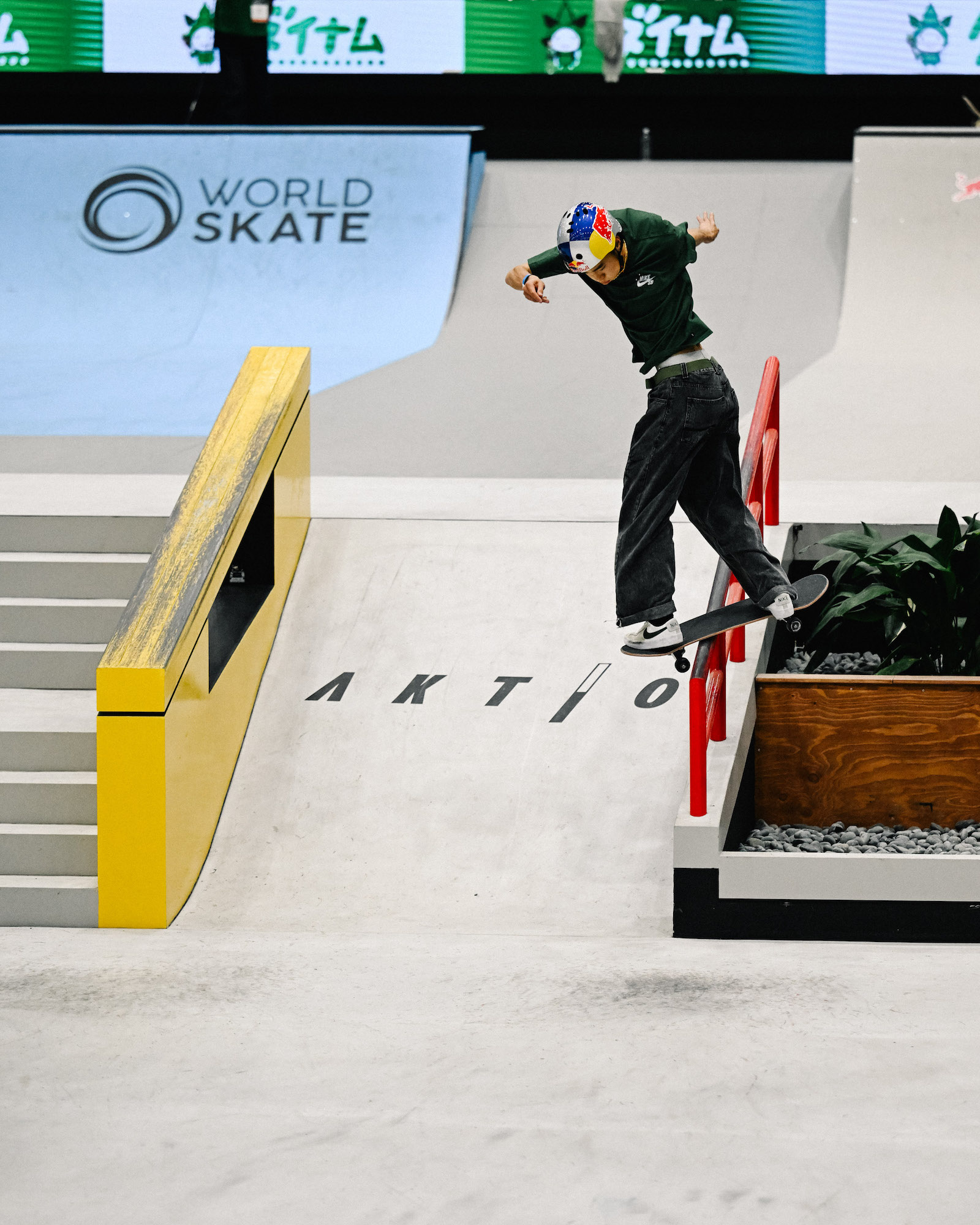
They may be recognised and re-invented by the media and sponsors now, but their journey to recognition started here, on the World Skateboarding Tour.
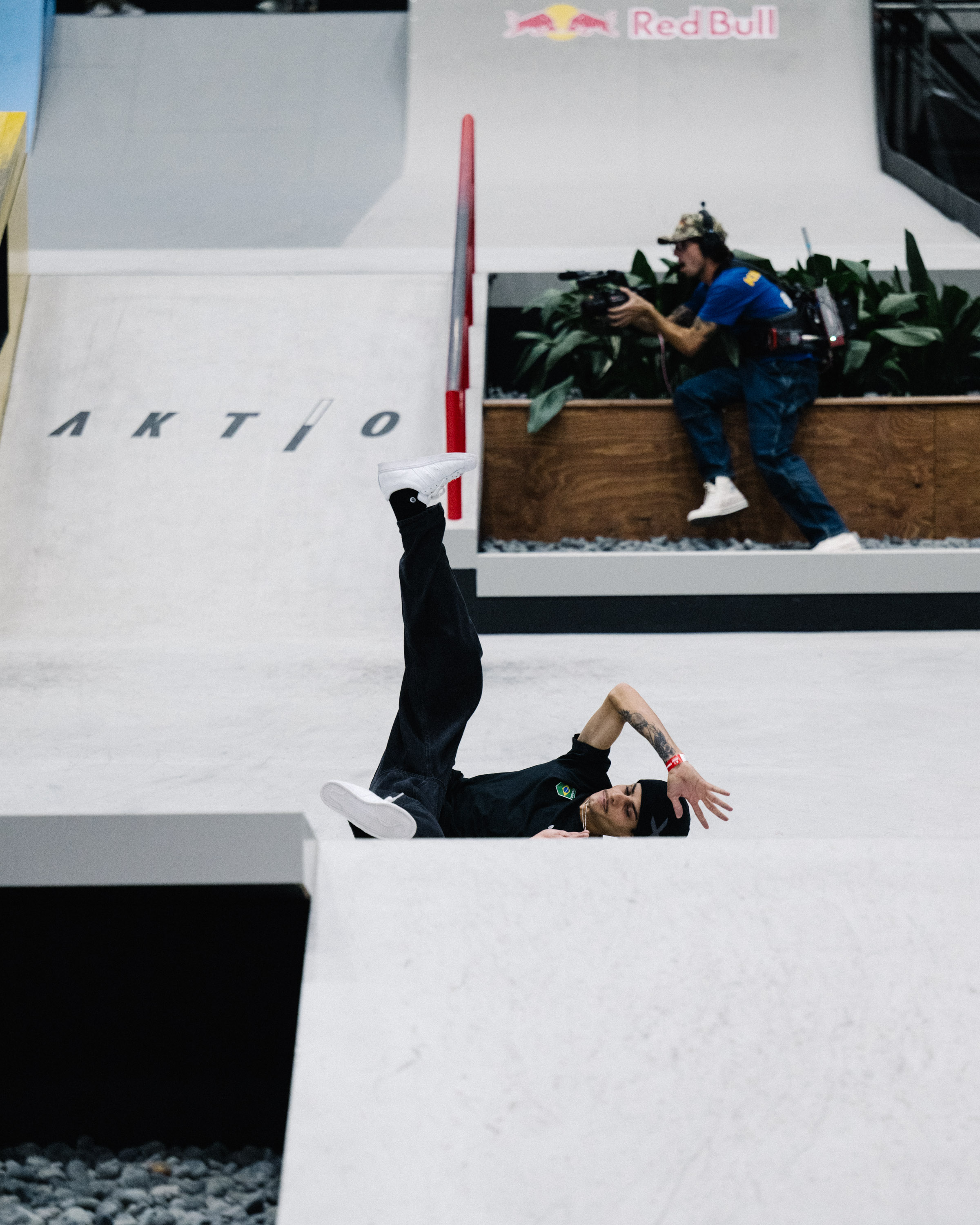
Among those who impressed along the course of the week were newcomers like Germany’s Florence Ulrich and Indonesia’s Zaidhar Ibrahim, while Korea managed to come in hot with a finalist in both divisions- which is no small thing to achieve in a contest which is absolutely attritional in the need to be able to deliver time again in the space of a week.
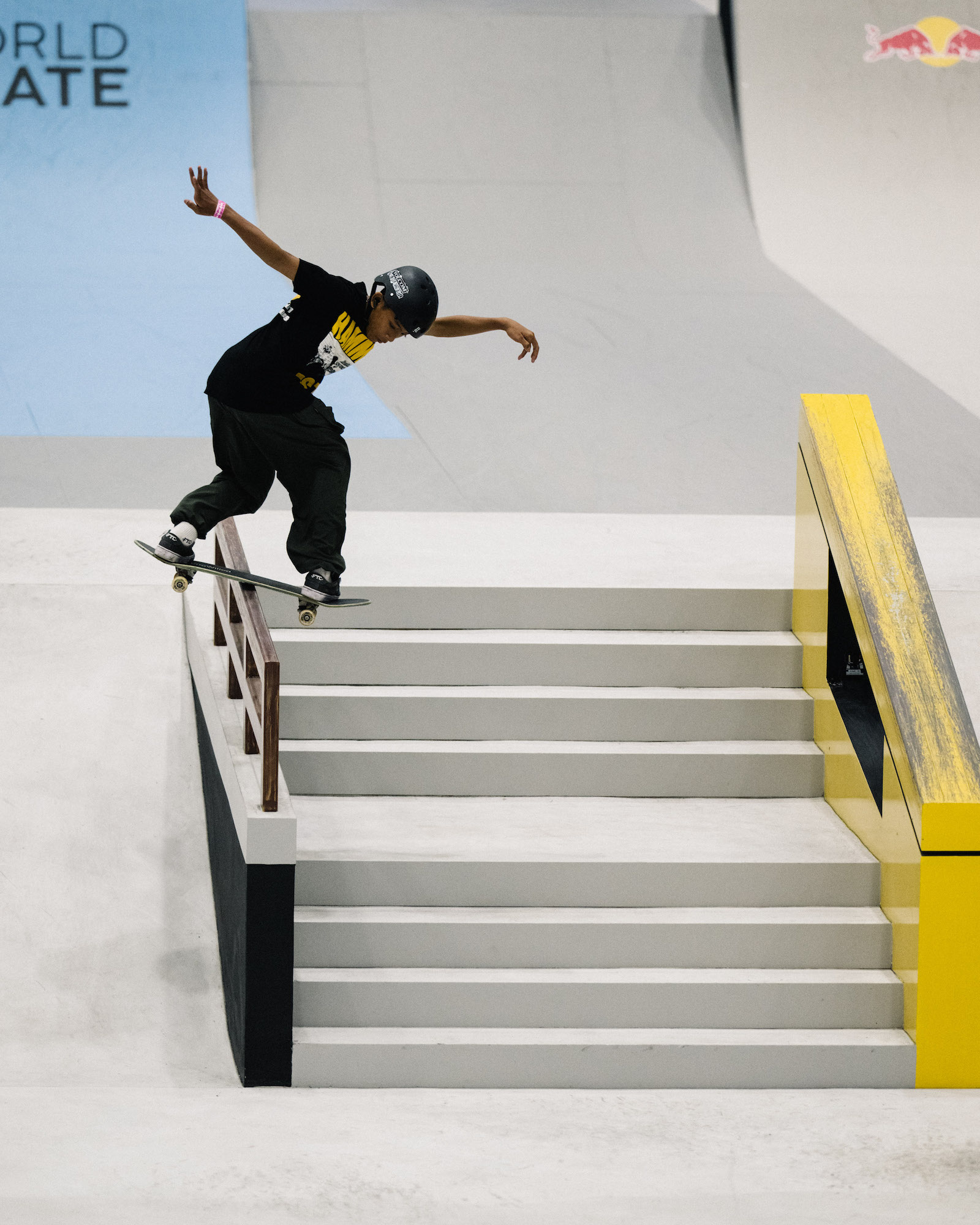
Which rather neatly takes us back around to the question of the World Skateboarding Ranking’s rolling window and the obvious question that it begs: if only the last 18 months’ results count in terms of point allocation in the ranking, and if my sole reason for being on the WST was to try and make it to the Olympic Games- couldn’t I just try and make finals in every contest in the 18 months directly prior to the Olympic Games?
The answer has become clear over the space of a year since Paris: yes, you absolutely theoretically can- but at this level, with so much hunger evident even in the qualifiers, you’d need to be pretty self-assured going on for foolhardy to try it.
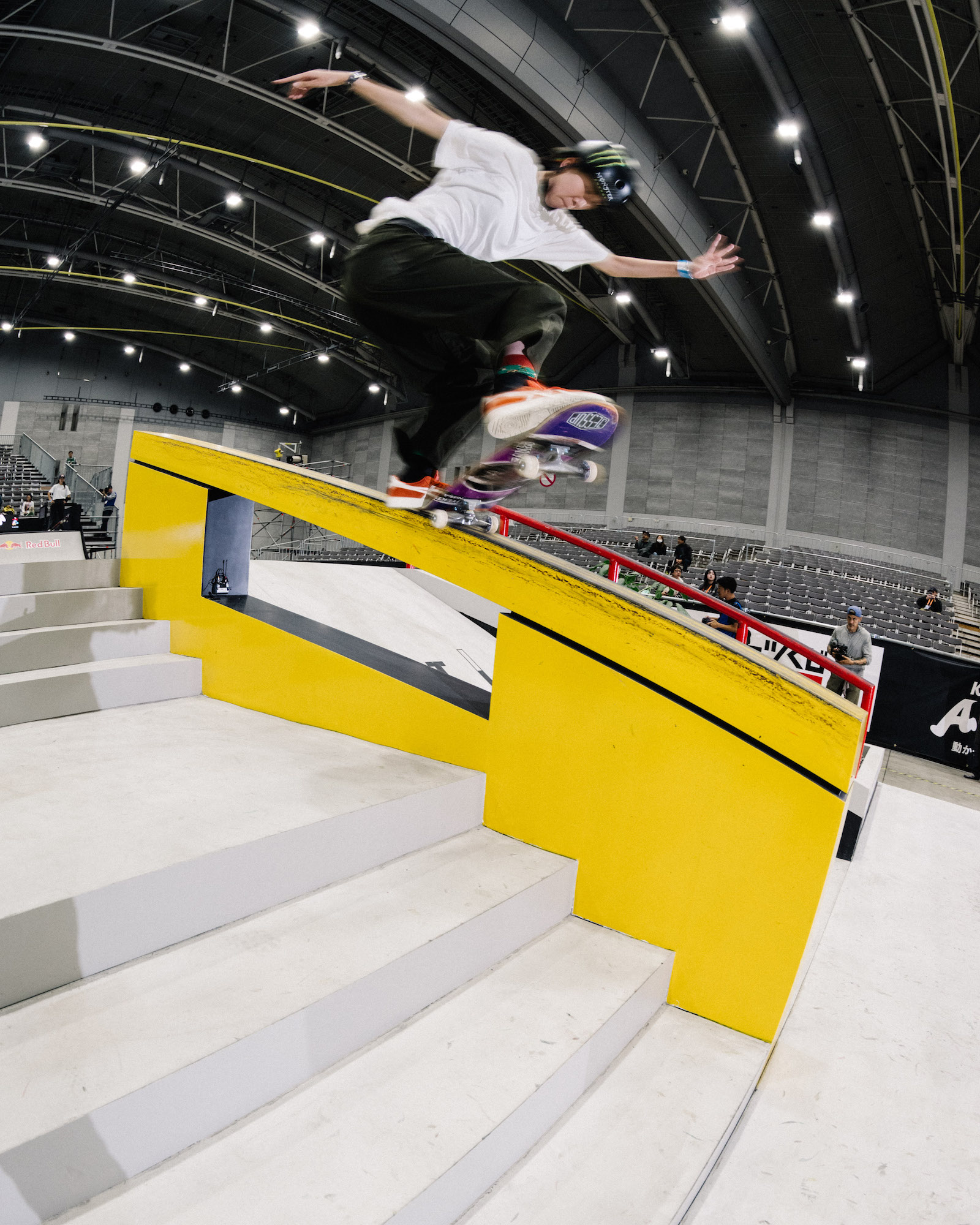
The fact is that at this genuinely elite level, where an unsponsored kid in a helmet will take you out in the quarterfinals given half a chance, any competitive advantage is worth holding-be that pre-seeding, having to skate one day less- anything.
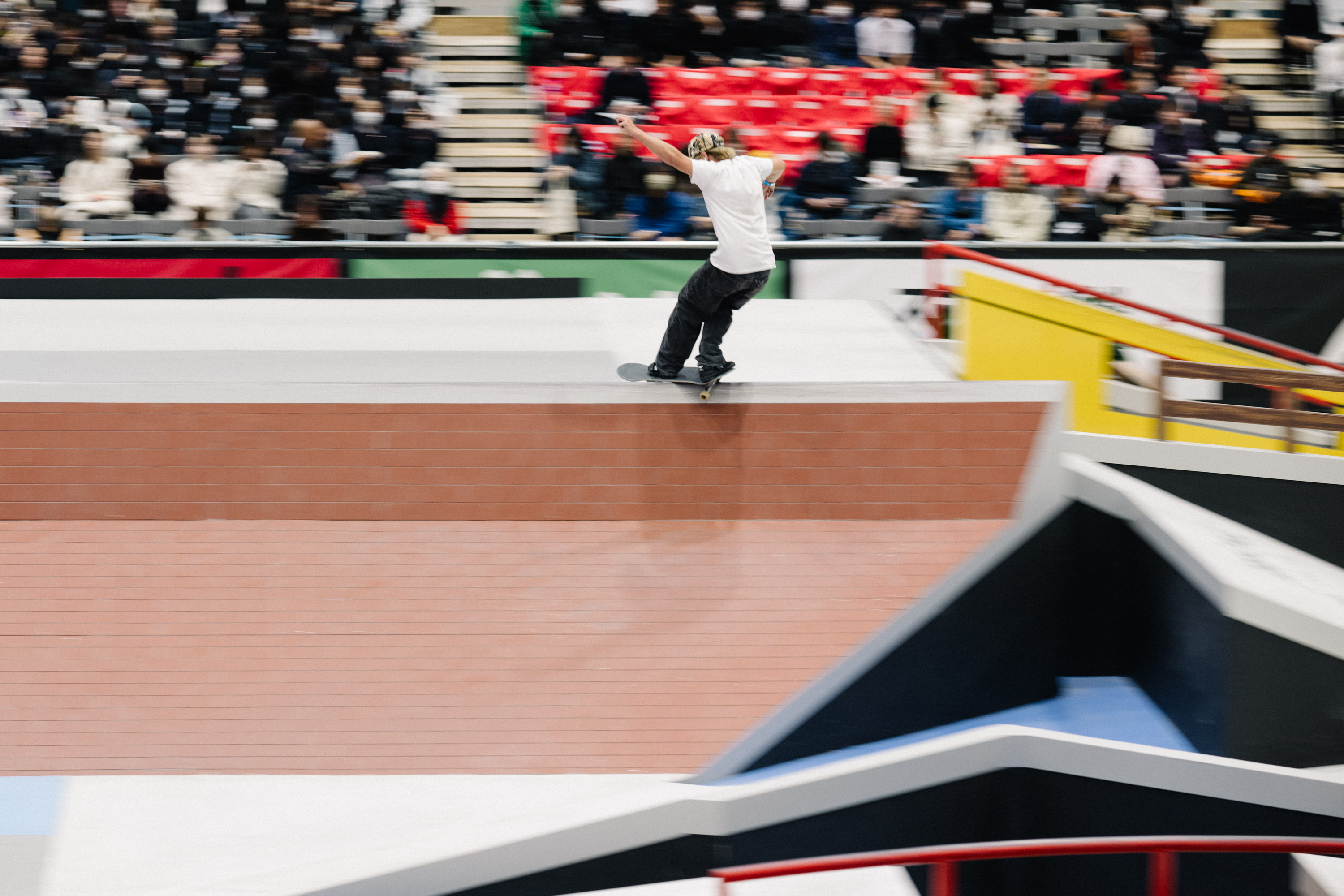
Tiny increments can make destiny-changing outcomes: Sora Shirai pipped a near-perfect Kairi Netsuke for victory after a week of ripping by 0.49 of a single point.
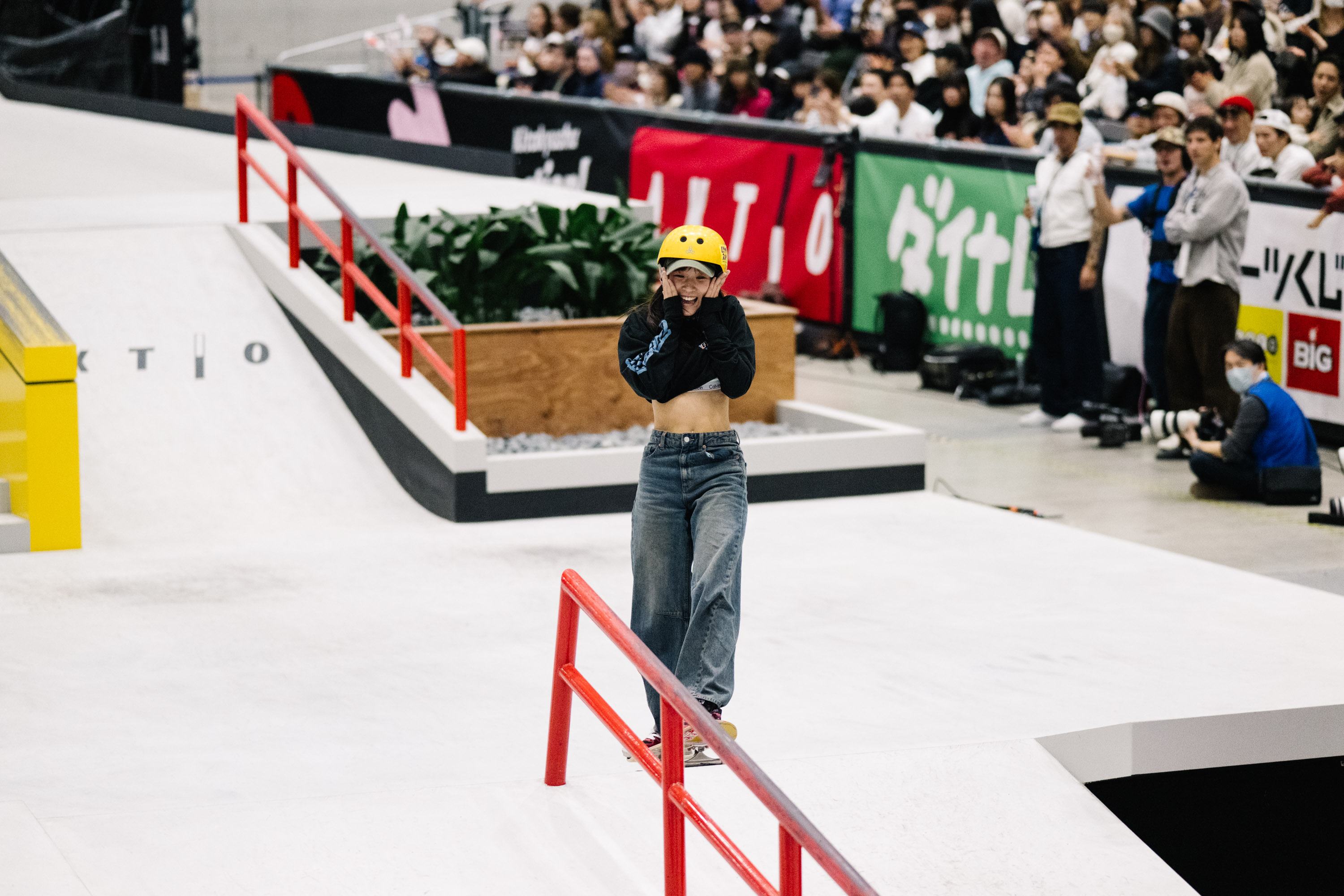
Nyjah Huston, Gustavo Ribeiro and Ginwoo Onodera all dipped out in the quarterfinals, while double Olympic gold medallist Yuto Horigome came in 15th.
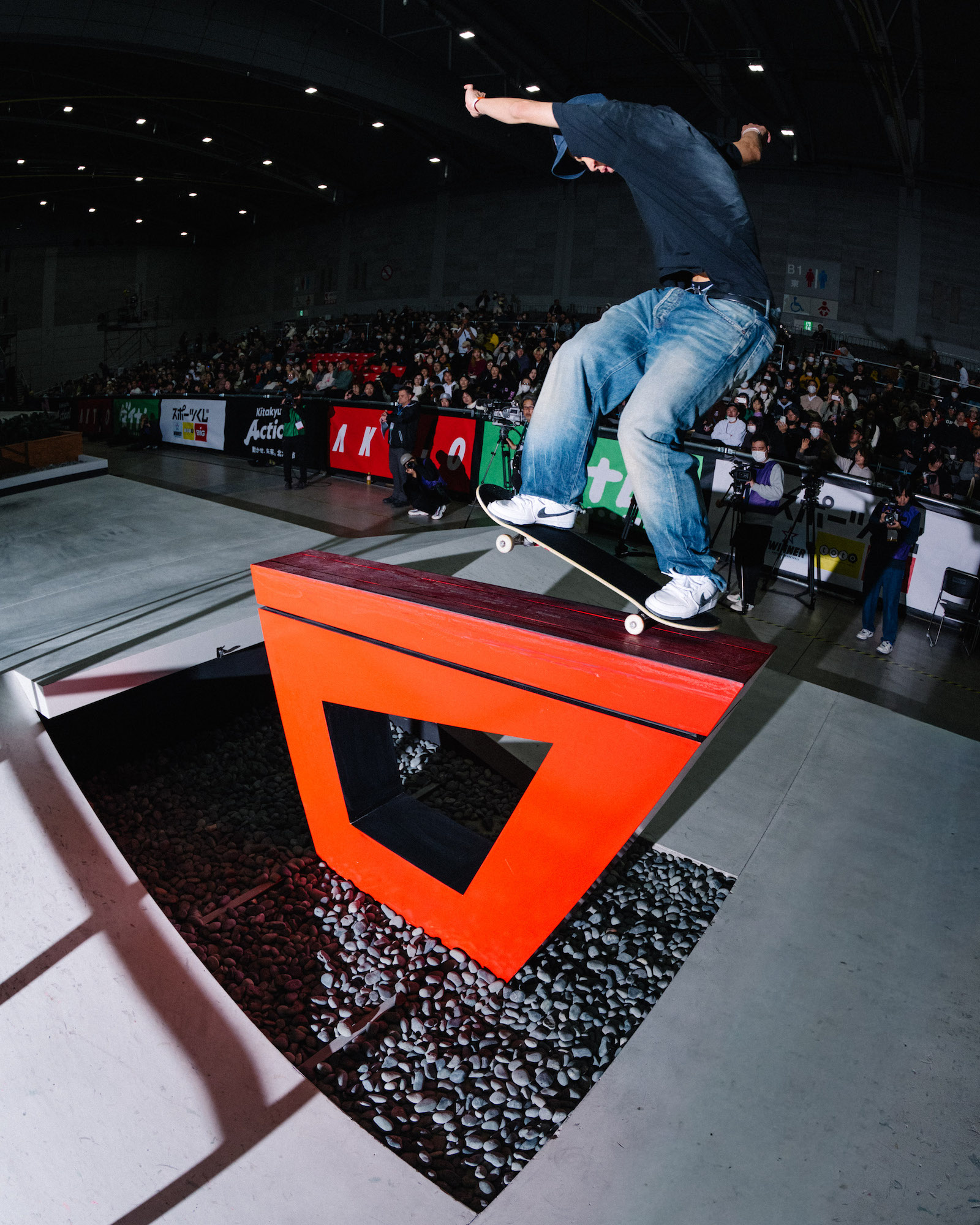
This is what we mean by attritional: the skateboarding itself keeps going up in standard without reference or deference to anything other than itself.
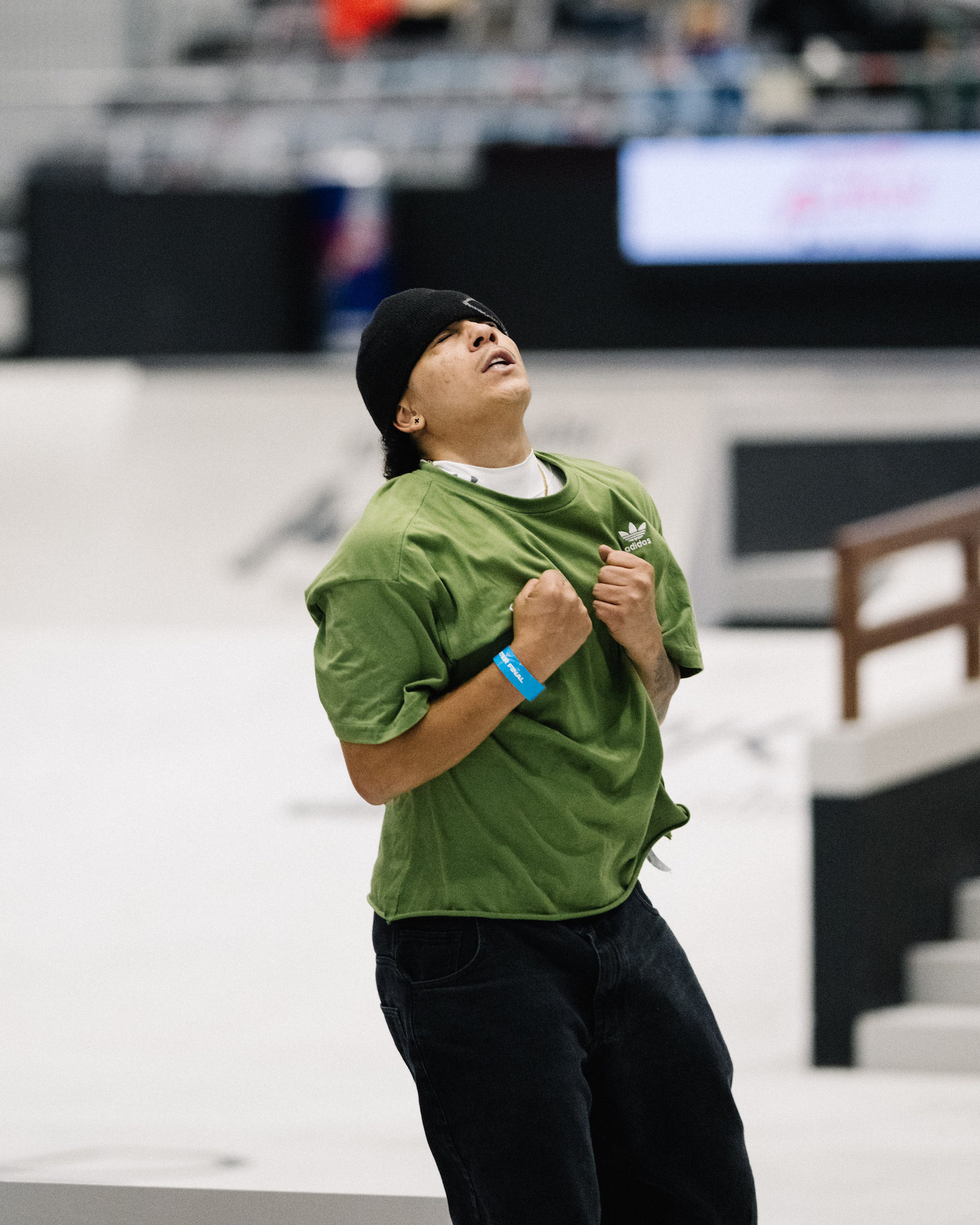
If the men’s final was a close-run affair at the top, then women’s was even more so: only 0.22 of a point separated the untouchable upstart Ibuki Matsumoto from the faultless Yumeka Oda who (to use an Americanism) low-key had her best-rounded WST performance to date.
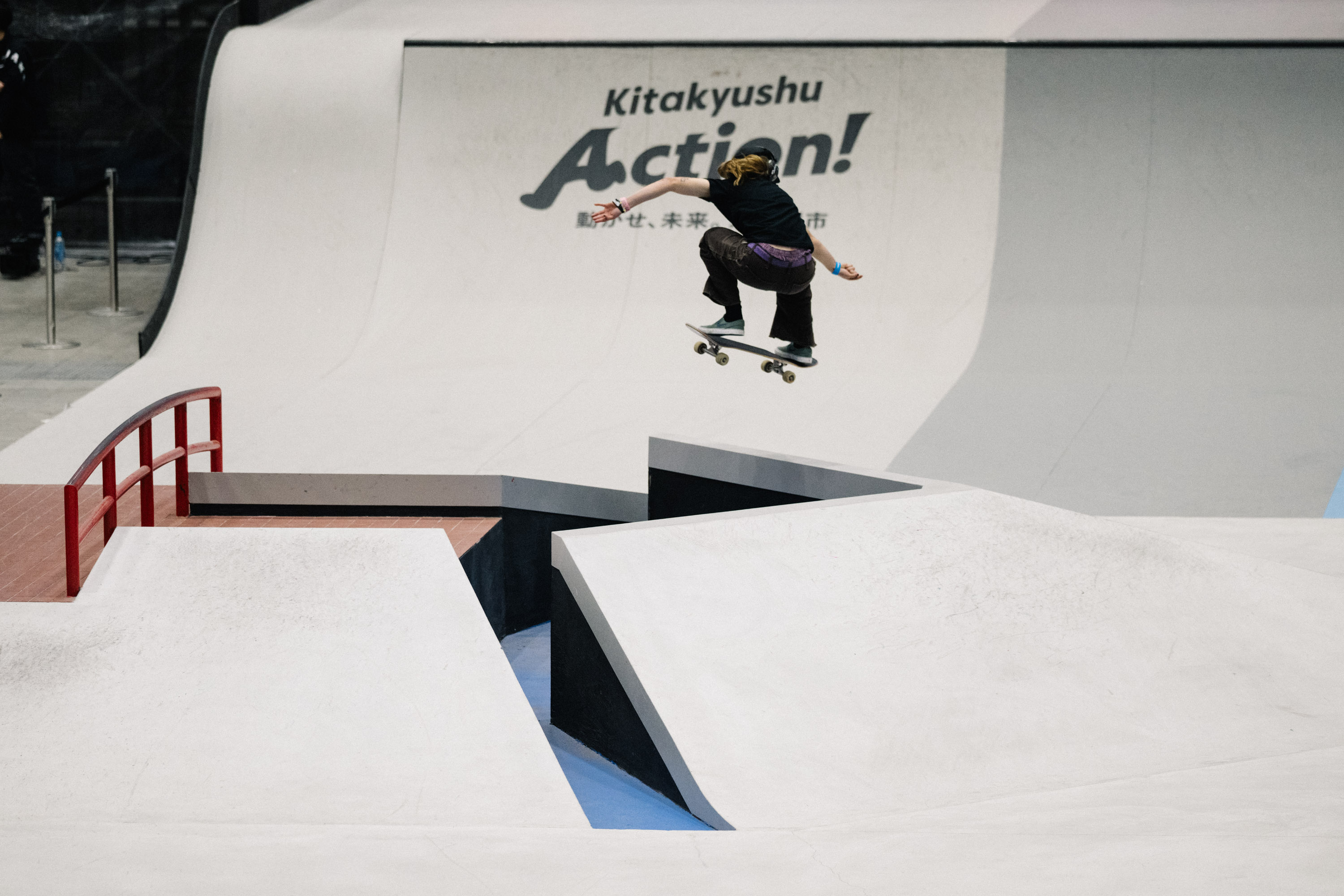
The women’s semifinal had been something of a curate’s egg with nerves playing their role among at least a quarter of the performances, but the finals burst into life in a way few could have expected.
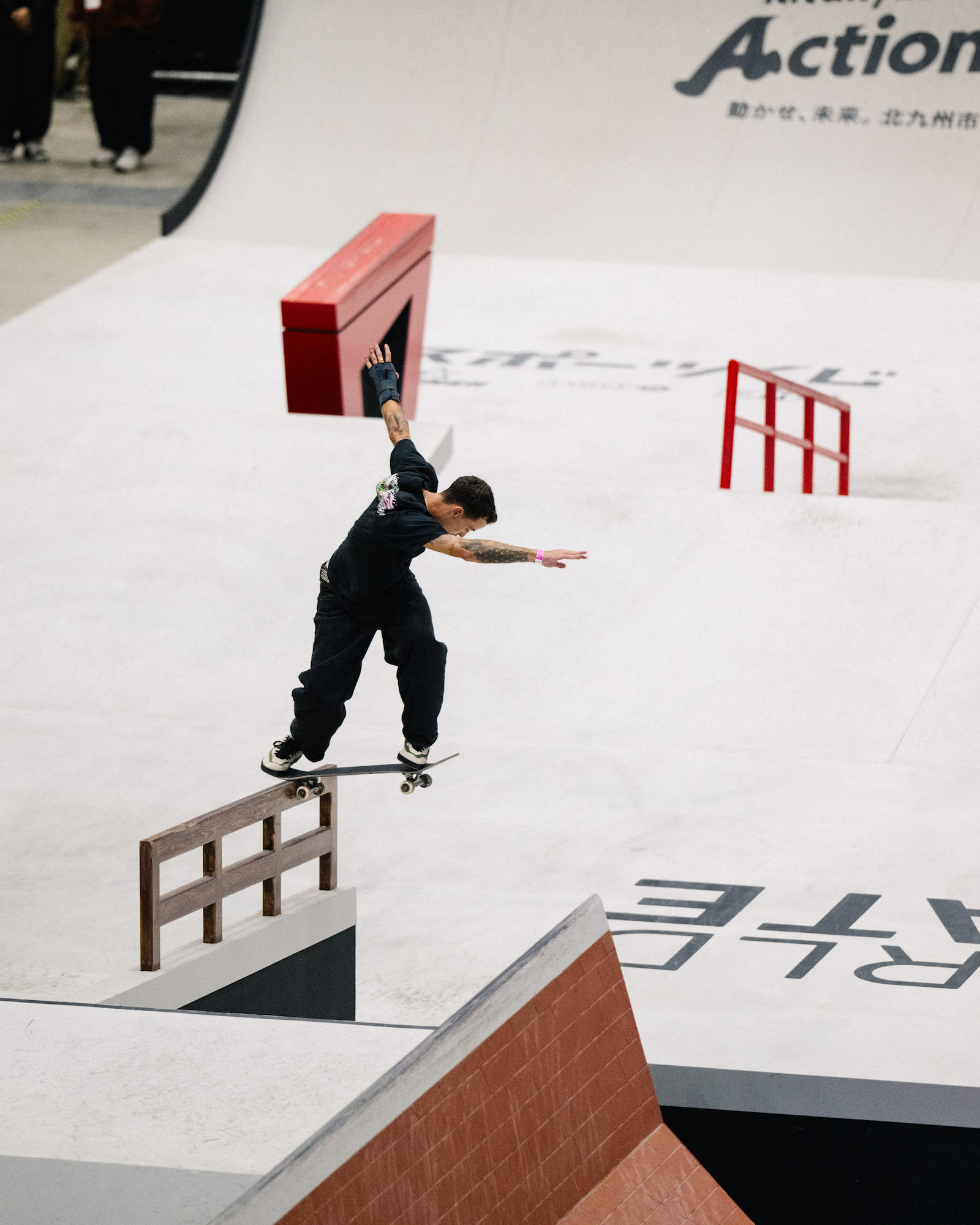
NBD’s galore, new names setting the place alight, another Chloe Covell rollercoaster, scripts going out windows left right and centre- it had everything. All the ingredients of a modern classic, which even the YouTube commenters acknowledged en masse.
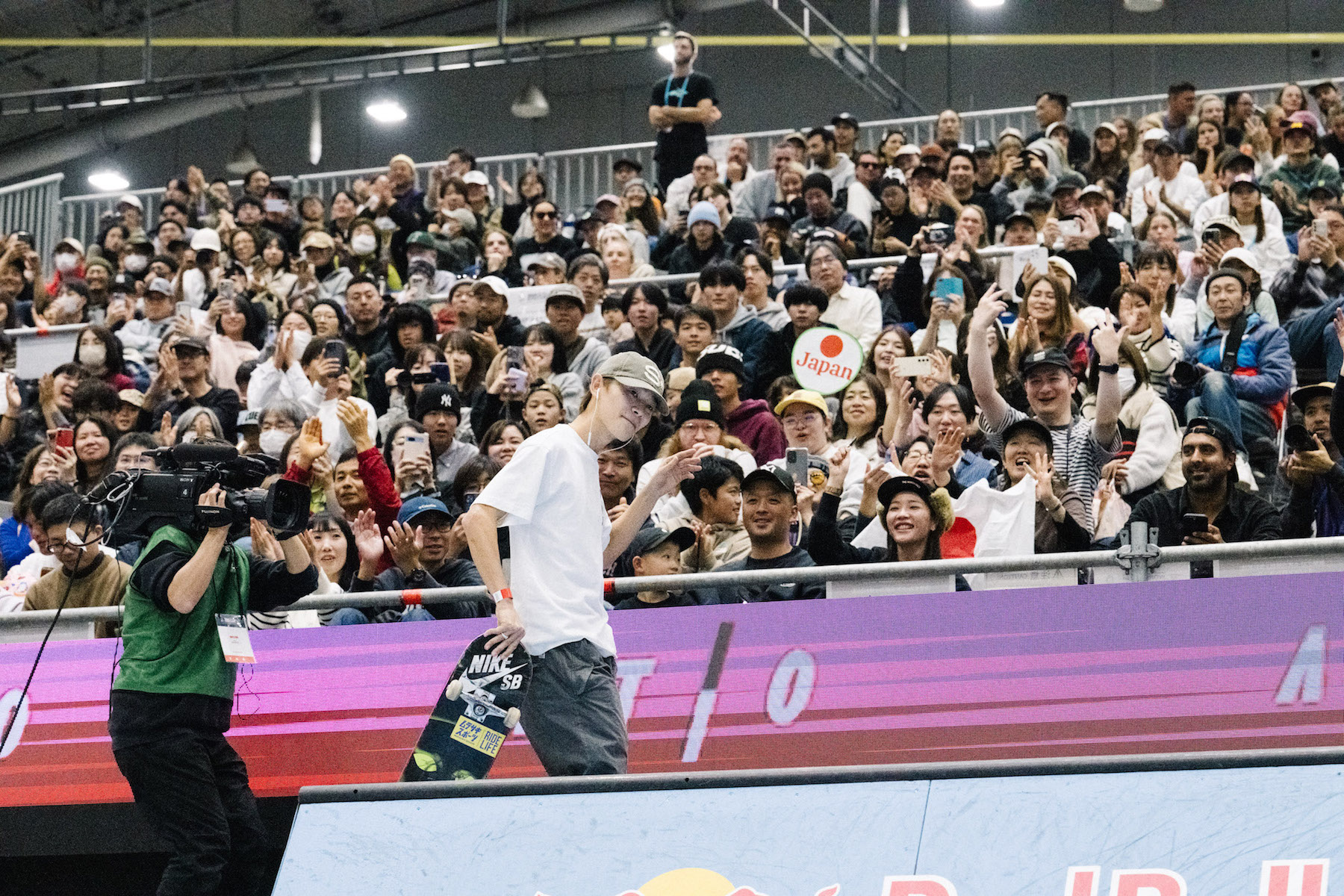
Japan is rapidly establishing itself as a fixed star in the circuit of international competitive skateboarding, both as competitor and host.
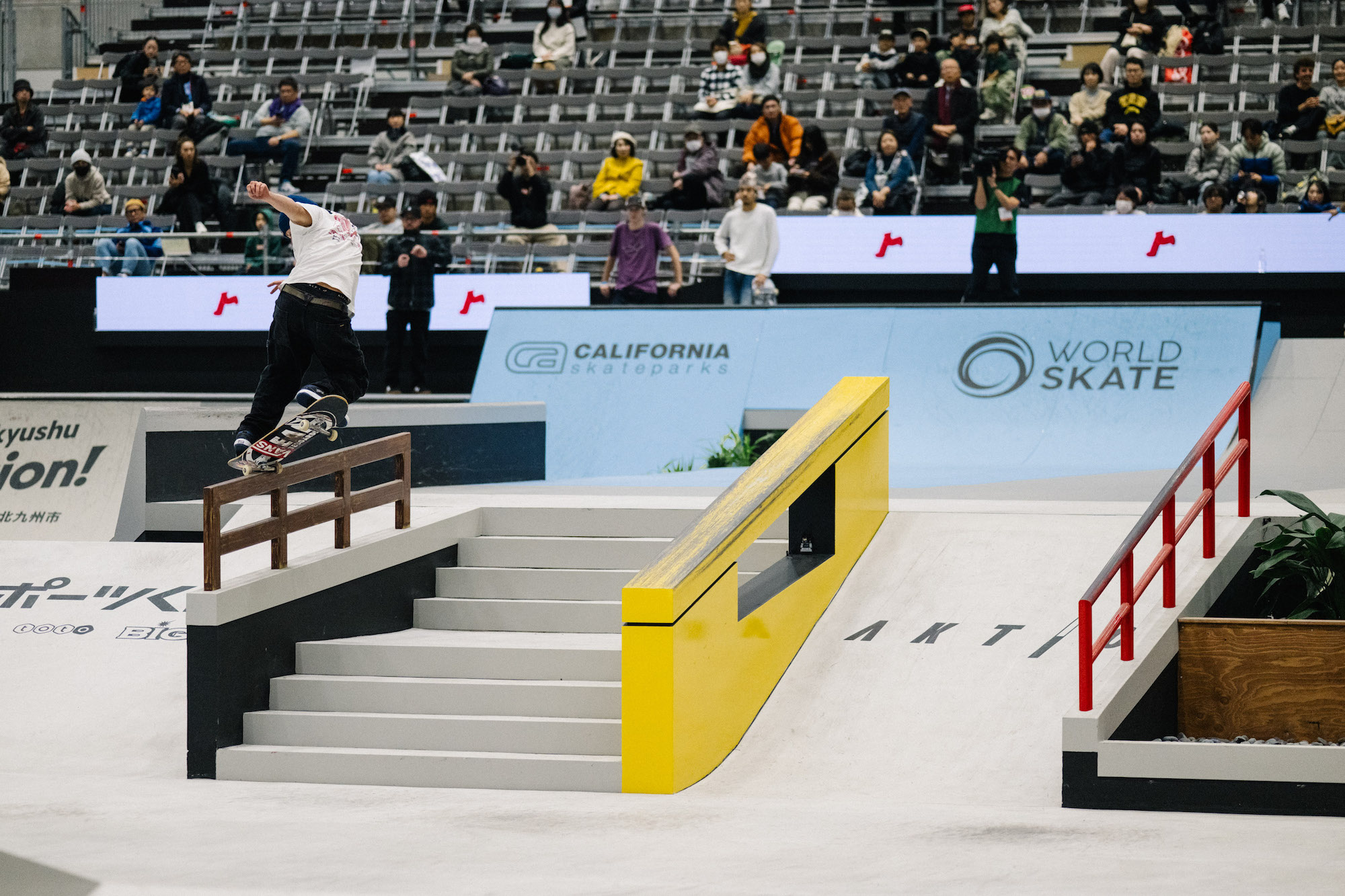
WST Kitakyushu will be looked back upon as an important milestone in that journey.