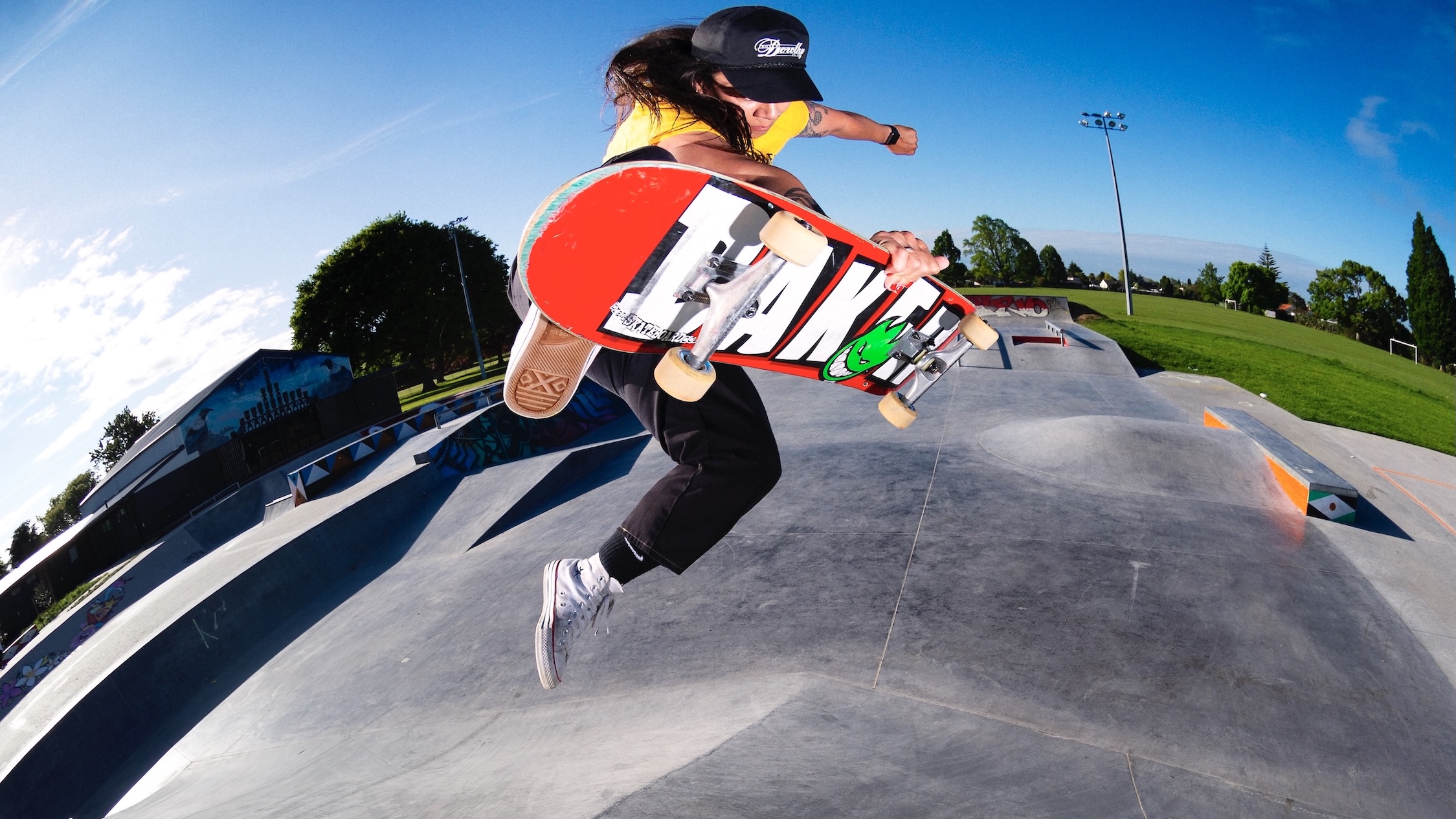
Two observations to kick off what we hope you will soon agree is an all-time epic interview with Georgie Matthews, here: the first, is that the best thing about skateboarding beyond the activity itself is the people drawn into her orbit.
The second, as we previously noted about Georgie’s ISJC continental representative colleague for Africa Francisco Vinho, is that the biggest privilege of working in this particular part of skateboarding is scratching below the surface of individuals’ stories up to this point to discover the absolute diamonds within. Georgina Matthews is a real one, as we believe this interview demonstrates.
Strap in for a journey from her Māori roots to helping put women’s skateboarding on the world stage: hopefully you will learn a little along the way; we certainly did.
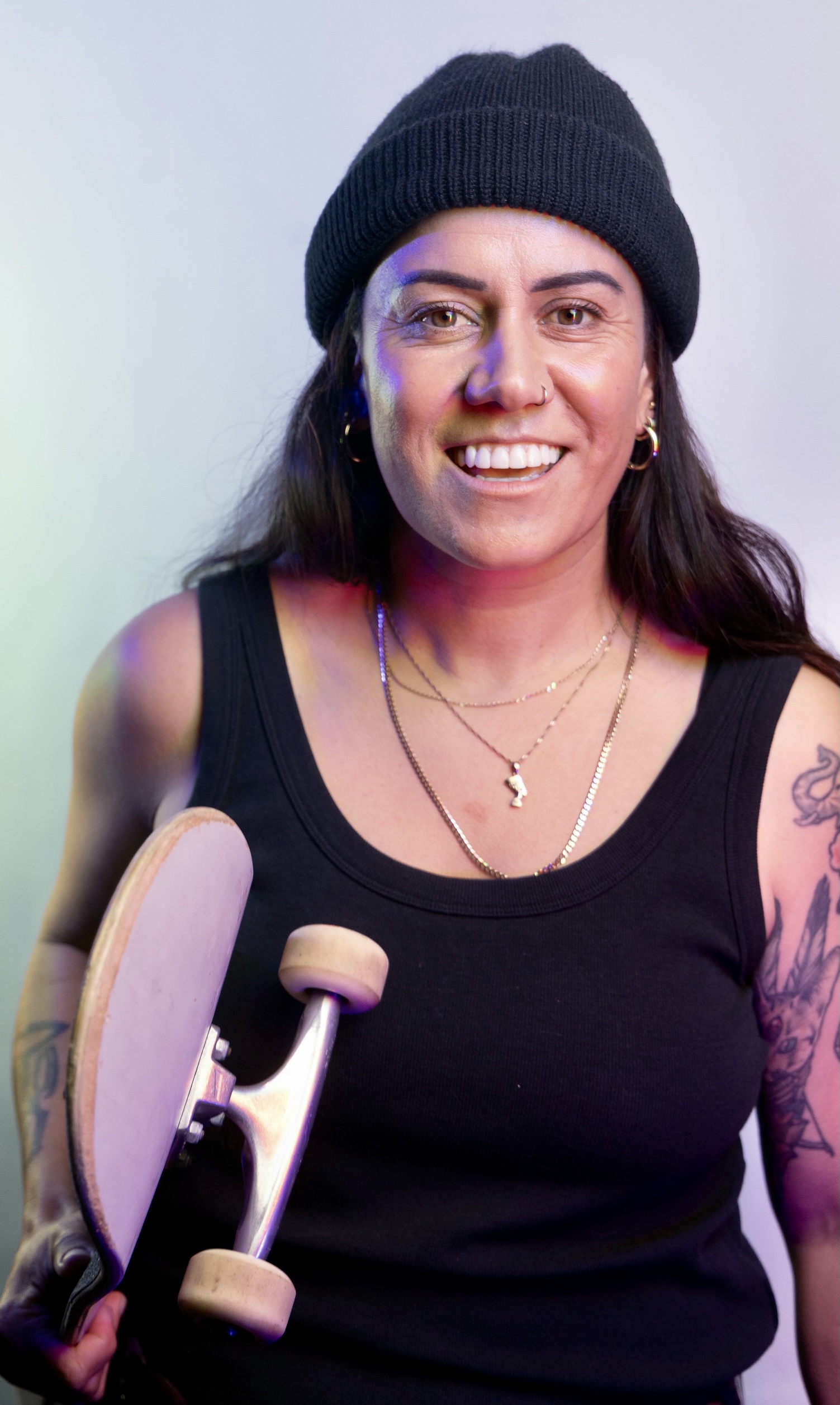
Ph: Kalyn Takitimu-Cook
Hi, Georgie! SO- I suppose every interview has to begin this way, because it never does to assume too much on behalf of the reader- so for the purposes of the tape, can you tell us a little bit about who you are?
Kia ora, my name is Georgina Matthews. I’m an Indigenous Māori skateboarder from a small country; Aotearoa, (New Zealand). I was the first international professional female skateboarder to represent my country- and one of the first skateboarders competing internationally from here, too.
I’m a musician, and I love thrift shopping and spending time with family. I’m no longer competing, but I’m still very much a part of my skateboarding community.
Today, I use my knowledge and lived experience to judge skateboarding competitions nationally and internationally, and I represent Oceania in World Skate’s International Skateboarding Judging Commission.
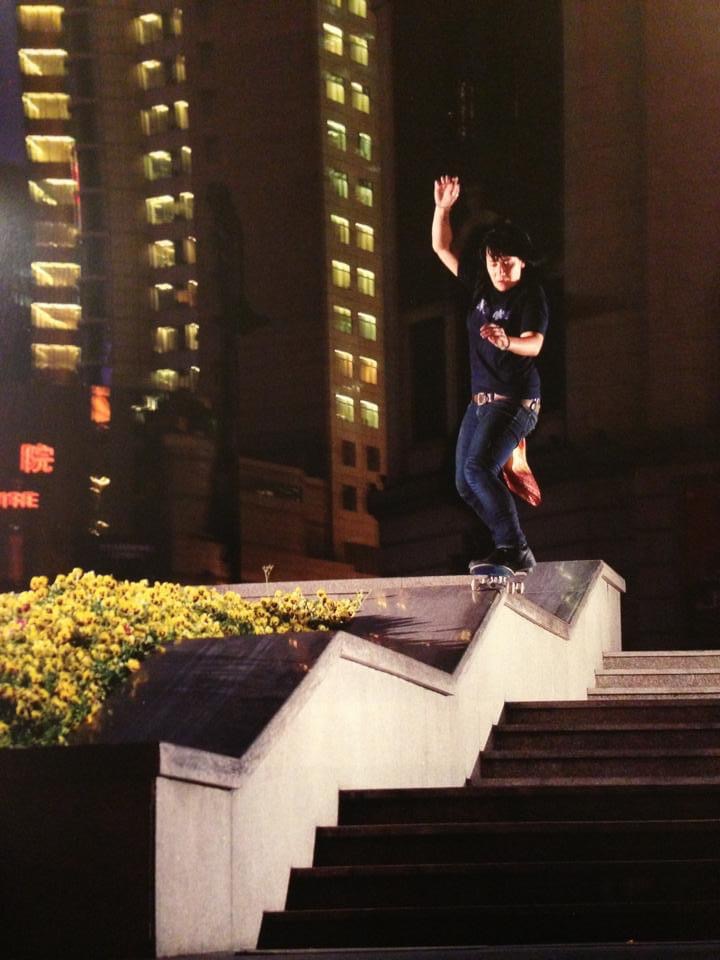
Ph: David Read
Can I ask you a little bit about your background, your iwi and so on?
Ko Manaia tōku maunga
Ko Te Hihi tōku awa
Ko Mātaatua tōku waka
Ko Ngāpuhi tōku iwi
Ko Ngāti Hine me Ngātiwai ōku hapū
Ko Takahiwai tōku marae
Ko Matthews tōku whānau
Ko Georgina Matilda tōku ingoa
My iwi (tribe) is Ngāpuhi, and my hapū (subtribes) are Ngāti Hine and Ngāti Wai - from the northern regions of our country. My maunga (mountain) is Manaia, my awa (river) is Te Hihi, my marae (sacred meeting place) is Takahiwai and the waka (water vessel) my ancestors arrived here on is called Mātaatua. This pepeha (traditional expression) is how we introduce ourselves where I’m from.
I was raised in Tauranga Moana - a beautiful coastal area of Aotearoa. Reconnecting with my whakapapa (ancestry) and culture is an exciting part of the journey I’m on. A lot of our language and traditions were under threat of extinction as a result of colonisation, so to witness and make an effort within the revitalisation of our cultural identity is really important to me.
My grandparents on my mother’s side were from London, England, and I’m really proud of all of my ancestry and the traits that have been passed down to me that made me who I am today.
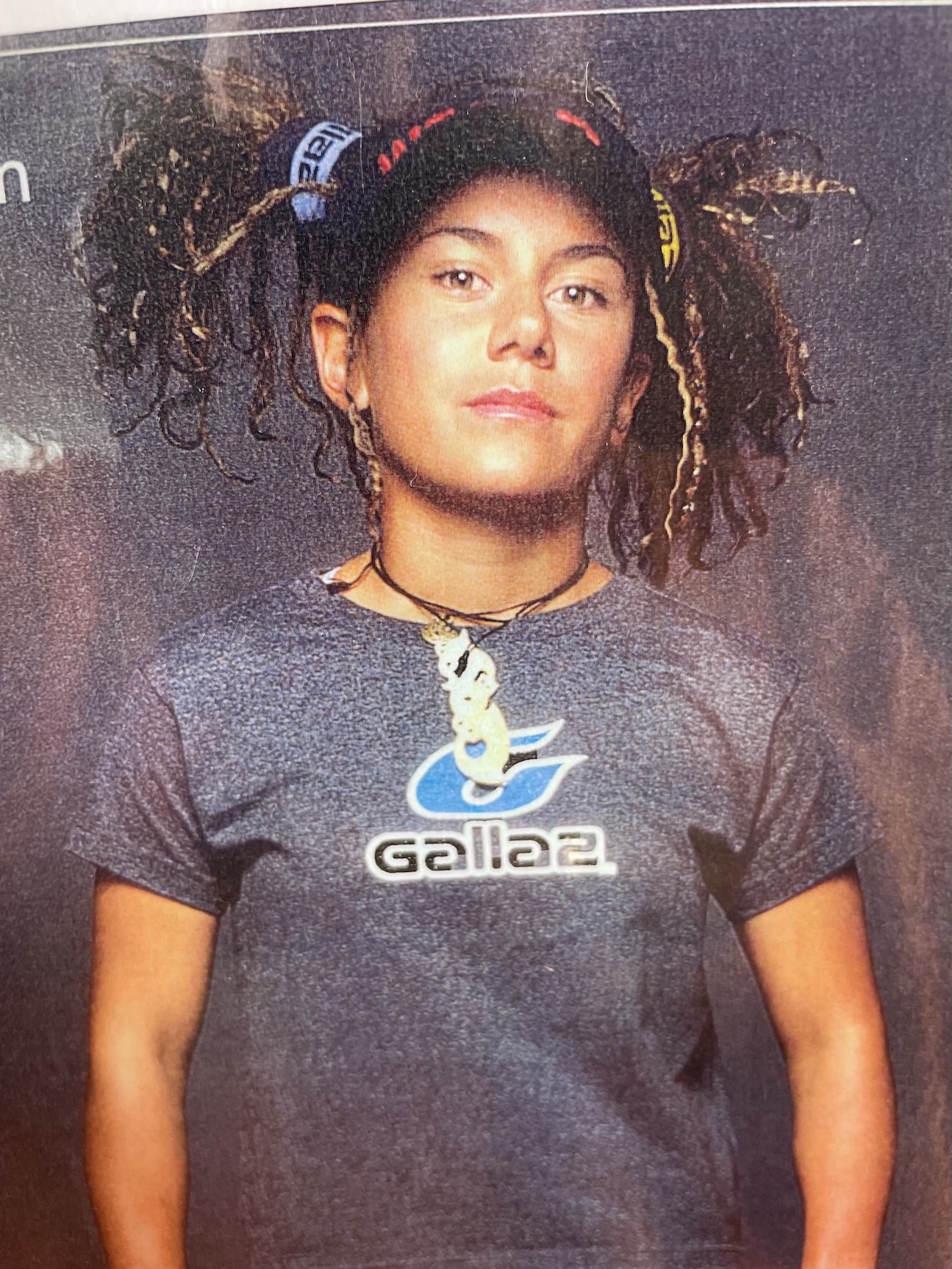
Ph: Pavement Magazine
You won the New Zealand Skateboarding Nationals a year after you started skating, and things took off quite quickly for you from there - is that fair to say?
Absolutely! Before my first national competition, my only real experiences with skateboarding were skating with two boys, Luke and Tāne, on my street and other local skateboarders. Back then, never in my wildest dreams could I have imagined skateboarding taking me as far as it has in my life.
I was first sponsored by my local skate shop - Boardwalk - which opened doors to being able to compete within my region. Back then, I didn’t see a lot of female representation in skateboarding; there wasn’t even a female category, but I was still able to place in those competitions and it opened doors for me to rubbing shoulders with New Zealand’s best skateboarders at the time who would travel to our region’s competitions, and I learned a lot from those guys, too. That first national competition I entered was a great platform for exposure - to get my name out there, and to connect with other athletes and potential sponsors, too.
I can’t even explain to you what it felt like to witness that level of skateboarding in real life for the first time. Up until then, I had only ever seen anything like it on VHS or DVDs. Not only that - I had never even seen another female carrying a skateboard before, let alone riding one! My mind was blown. As a thirteen year old, that sense of excitement and belonging felt like I’d found my place.
So, as you can imagine, it really opened my eyes to the potential skateboarding had for me. There was often a stigma that skateboarding is merely a hobby, but that first big competition showed me a clear pathway into the world of competitive skateboarding that I hadn’t considered before. That realisation: that maybe skateboarding was bigger than just skating with the boys on my street and I could turn this passion of mine into a valid lifestyle, was the start of realising that my dreams could become a reality. That same passion for me has never dimmed, and the fact that I got to live the life I have as a result is still mind-blowing to me.
The most impactful part of that first national competition for me wasn’t winning - it really was about having that chance to see female skateboarders in action. In particular Stacey Roper, a New Zealand female skateboarder who was older than me, is someone who I began to really look up to- she took me under her wing, and introduced me to other girls like me within our national skateboarding community.
At that national competition I was told about the Australian All Girls Skate Jam that was happening in the near future, and Stacey and the other skaters I met gave me the encouragement I needed to enter. It just so happened to be hosted in Melbourne, and I had an auntie living there at the time, so with the support of family and friends I raised enough togo over to Australia to compete. This first taste of the higher level of international competition, the professionalism of the sport at this level and the pressure that comes along with it, was a real eye-opener for me.
Suddenly, I was no longer a big fish in a small pond - I was a small fish in a big ocean. I was a bit younger than my competitors, and this was just the motivation I needed at the time to push myself further. It gave me an eagerness to learn more, and improve my skills.
When I was living in London I was lucky enough to compete in Edinburgh in one of the top female competitions in their region as well. Because I wasn’t a citizen of the United Kingdom at the time, I wasn’t allowed to place first, so was awarded second place instead, but it was another awesome opportunity to skate alongside some of Europe’s best at the time; including skaters like Lucy Adams, Maria Falbo and Helena Long. It was another big discovery of the level of talent I was up against.
I had to grow up quite quickly compared to my peers. On one hand, I was traveling the world, being sponsored by big labels and hanging out with people I’d idolised, and on the other hand I was still a teenager navigating things like finishing school. It was a crazy contrast of realities at the time, but it kept me grounded.
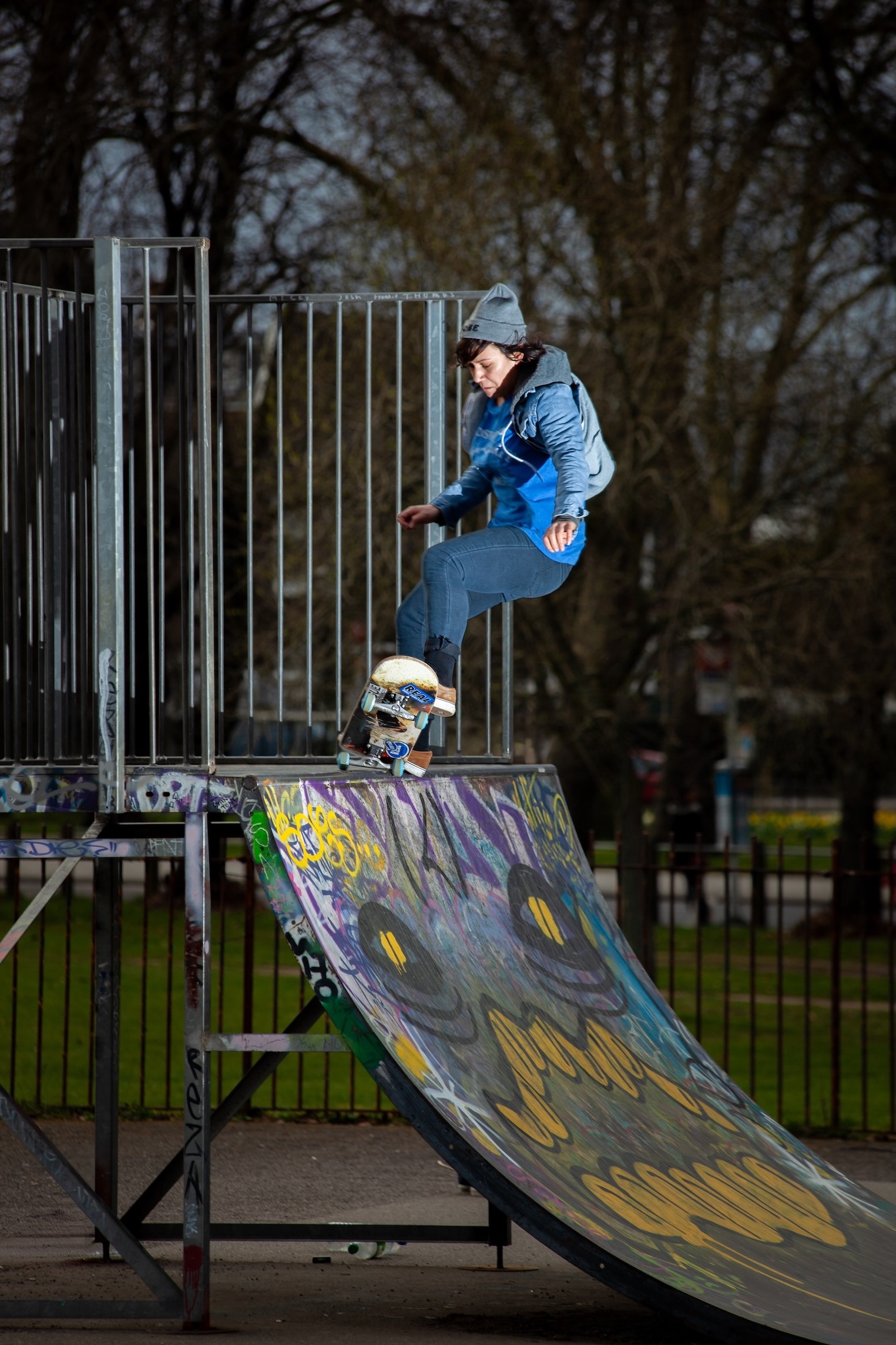
Ph: Jenna Selby
It seems to me that in the early 2000’s before women’s skateboarding exploded two important touchstones were the Villa Villa Cola video ‘Going Nowhere Faster’ and (female Globe footwear brand) Gallaz’s investment in the scene. How was that era for you?
I totally agree that those touchstones were impactful for women's skateboarding- however, I think there’s still a misconception that female skaters weren’t always around. It only takes a minute of checking out Natalie Porter’s Womxn Skateboard History archive to see that we have always been here - but what we didn’t always have up until moments like this was visibility and representation in mainstream media.
I still have my Villa Villa Cola ‘Going Nowhere Faster’ DVD! It meant a lot to me at the time to have representation of female skateboarding at a high level, as there wasn’t a lot of it available out there, and it gave me a benchmark to work towards. I loved how each skater had unique quirks and styles- and I really looked up to them.
Before Villa Villa Cola though, I got my hands on the VHS of Toy Machine - Jump Off A Building (1998). The best part for me is that it featured Elissa Steamer, and her part I would watch over and over. This was my very first exposure to a female skateboarder of her calibre. I remember feeling in awe seeing her nose sliding a big handrail, but it showed me that it was possible, and made me want to get gnarlier in my own style. Never did I imagine at the time that some day I would have the honour of competing against her!
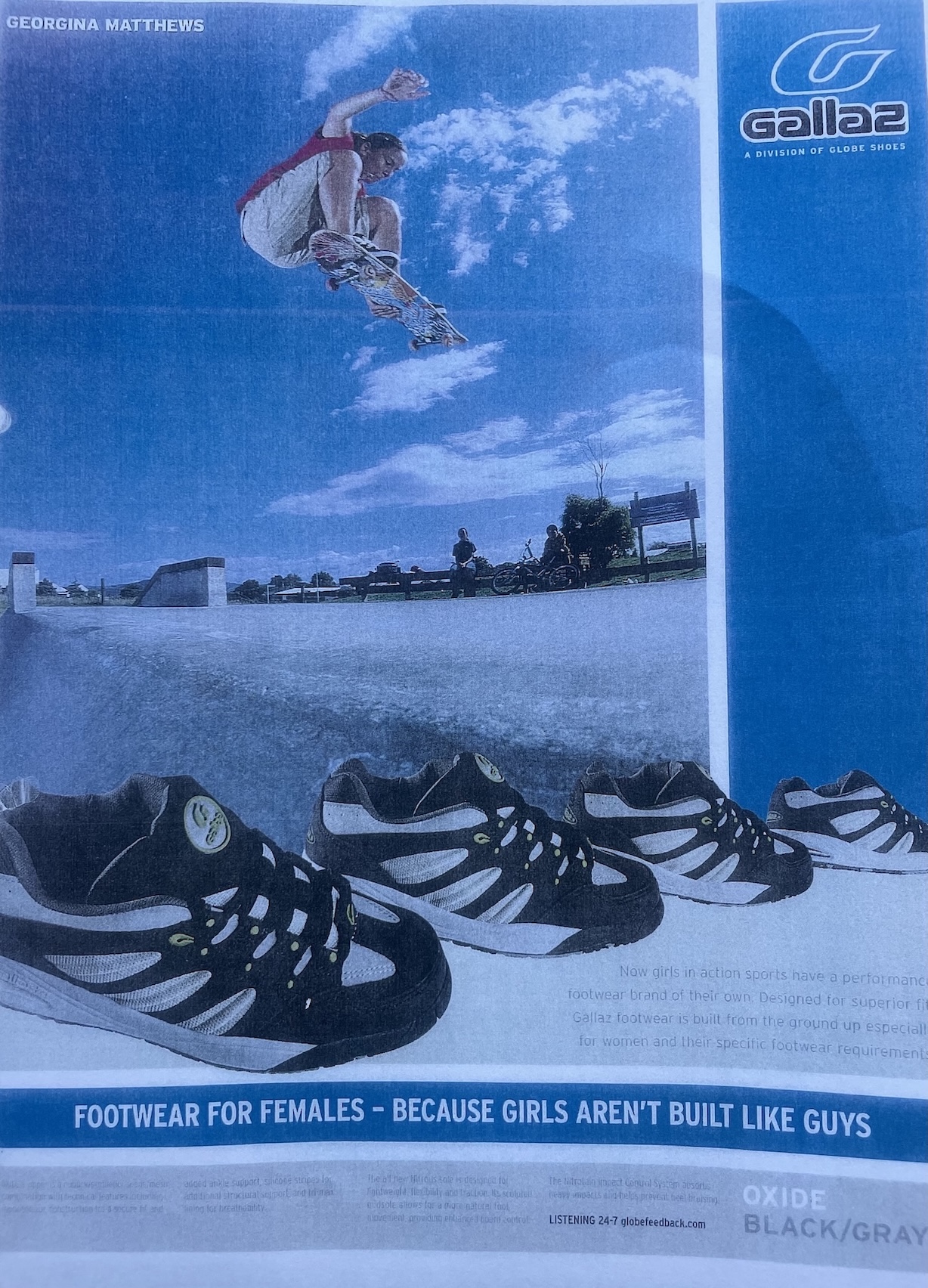
Gallaz’s investment in the scene really did push female skateboarding further into the spotlight as well, and it was a really exciting time for me personally, as they were my first big sponsorship. Being signed alongside legends like Jaime Reyes and Vanessa Torres blew little teenage Georgie’s mind. And if you had told that little Māori girl who’d been skating with the boys on her street that this would be her life a couple of years later - she wouldn’t have believed it!
Our first tour together is where I was also fortunate enough to meet other incredible skaters like Monica Shaw, Amy Caron and Lauren Mollica. Through this opportunity, Gallaz not only contributed to women' s skateboarding exposure - they gave us an opportunity to come together through skateboarding and build community - and that’s something I’ll always be thankful for. Gallaz’s belief in me became a significant stepping stone for me as a sponsored skater and it was such a rad networking opportunity. Years later, I ended up working as a sales rep and territorial manager under Globe and Dwindle Distribution as well, and all these opportunities were experiences that I’ll always be grateful for.
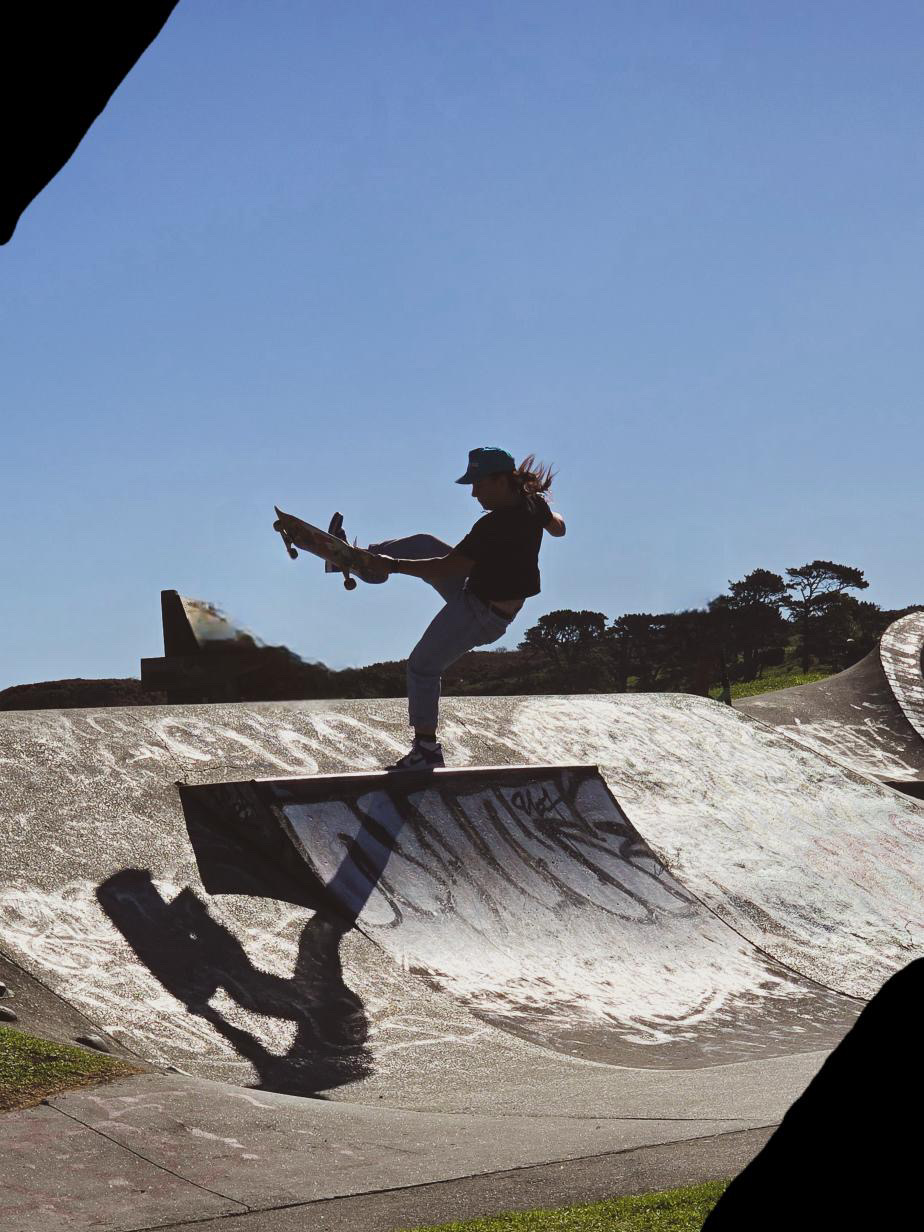
Ph: Rika
You once said in an interview about skating right back at the start- ‘If I can get anything out of it, that's a bonus…I’ll keep doing it for a couple of years.’ That turned into the next quarter of a century- when did you know skateboarding had engulfed your whole life?
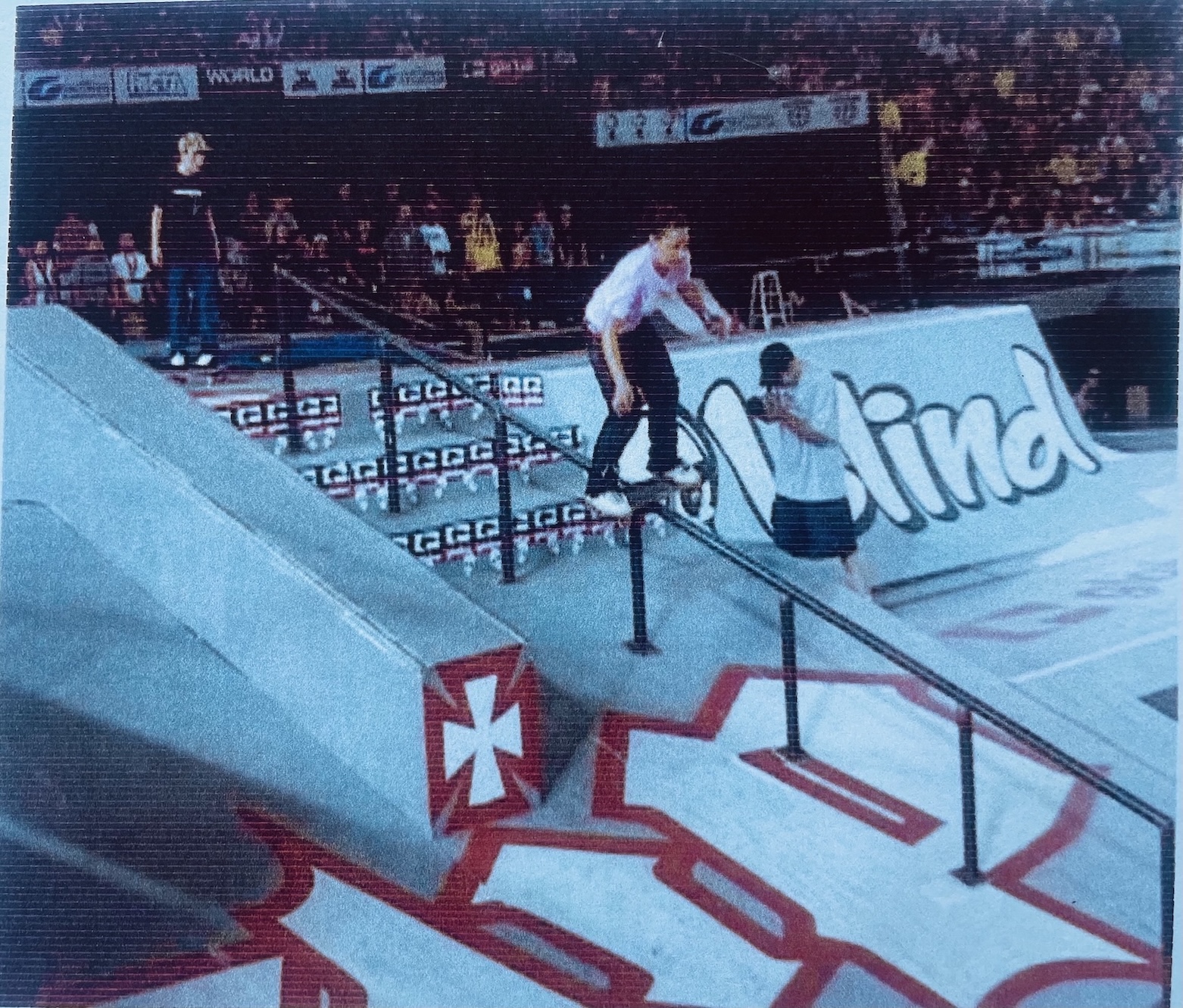
I definitely spent a period of my life focusing more on skateboarding - from around 13 years old ’til my mid 20s - but this was mostly due to sponsorship and competing. Getting invited to competitions within the international circuit like Canada and Australia and traveling year after year and seeing how the competitions I was entering were growing- for instance, the All Girl Skate Jam becoming a part of the Globe World Cup- meant that a lot of my time needed to become dedicated to my sport. However, alongside skateboarding I also pursued other skills, projects and passions, and I’ve always maintained a fairly balanced life- which I think is really important for any athlete.
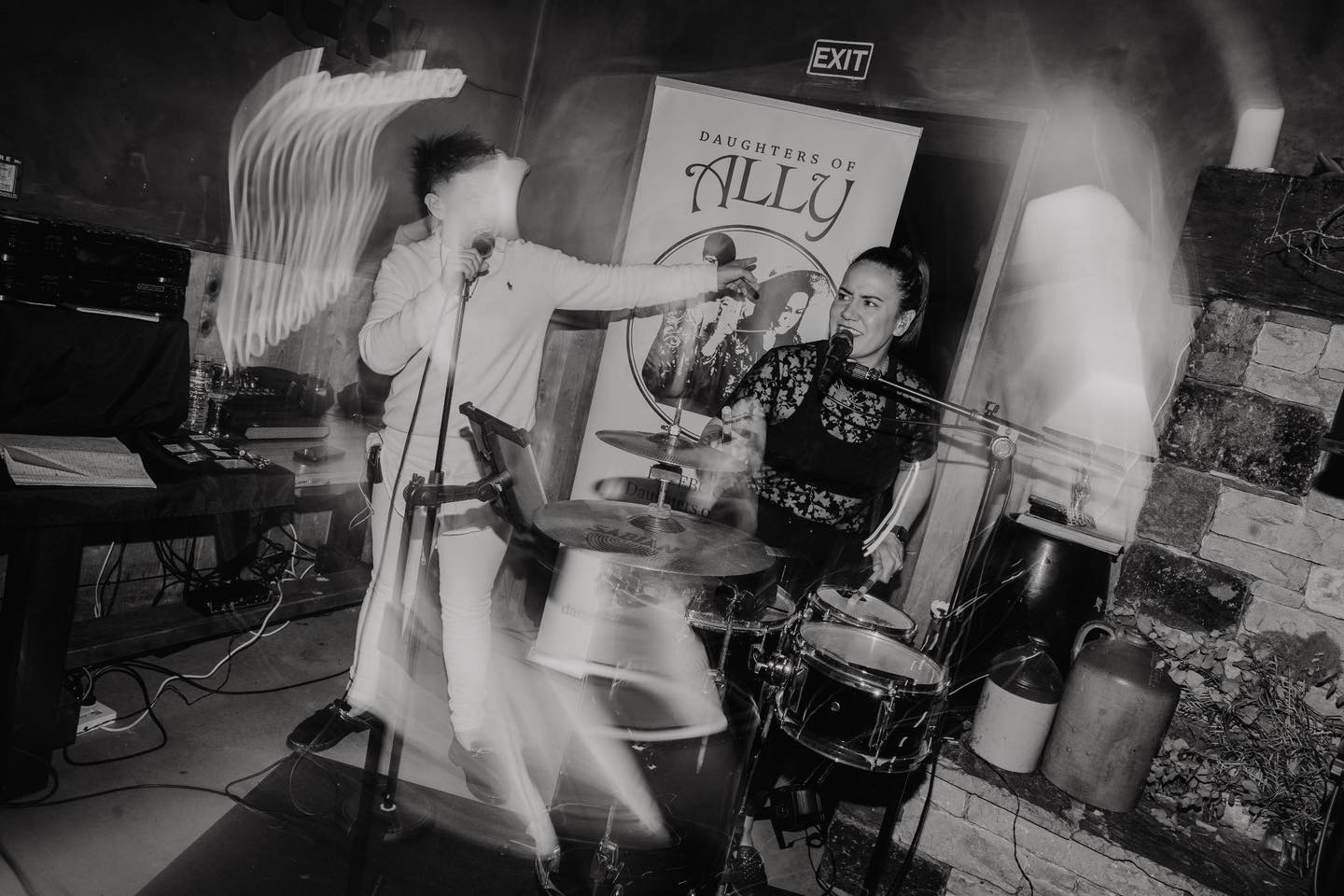
You also drum and sing - tell us about Daughters Of Ally!
I come from a really musical family; my father, Ally, was a drummer and a singer in a band back in the day, and so we were raised around music as far back as I can remember. There has never been a time where we haven’t had a drum kit set up in the garage ready to be played!
Just like skateboarding has allowed me to see the world, music has also taken me to some really cool places and given me so many awesome connections. Daughters of Ally is essentially a covers band. We perform music from all genres and eras - everything from Miley Cyrus to Bob Marley to Jackie Wilson!
I love that I get to sing with my sister, Jessie, and get to travel and perform most weekends. My nine-year-old niece, also named Ally, has followed in our footsteps and is now singing as well!
It’s been so cool to see a third generation of our family continuing this passion, and whenever my brother, Clay- our family’s bass player- is around, there’s nothing better than all of us jamming together with our Dad.
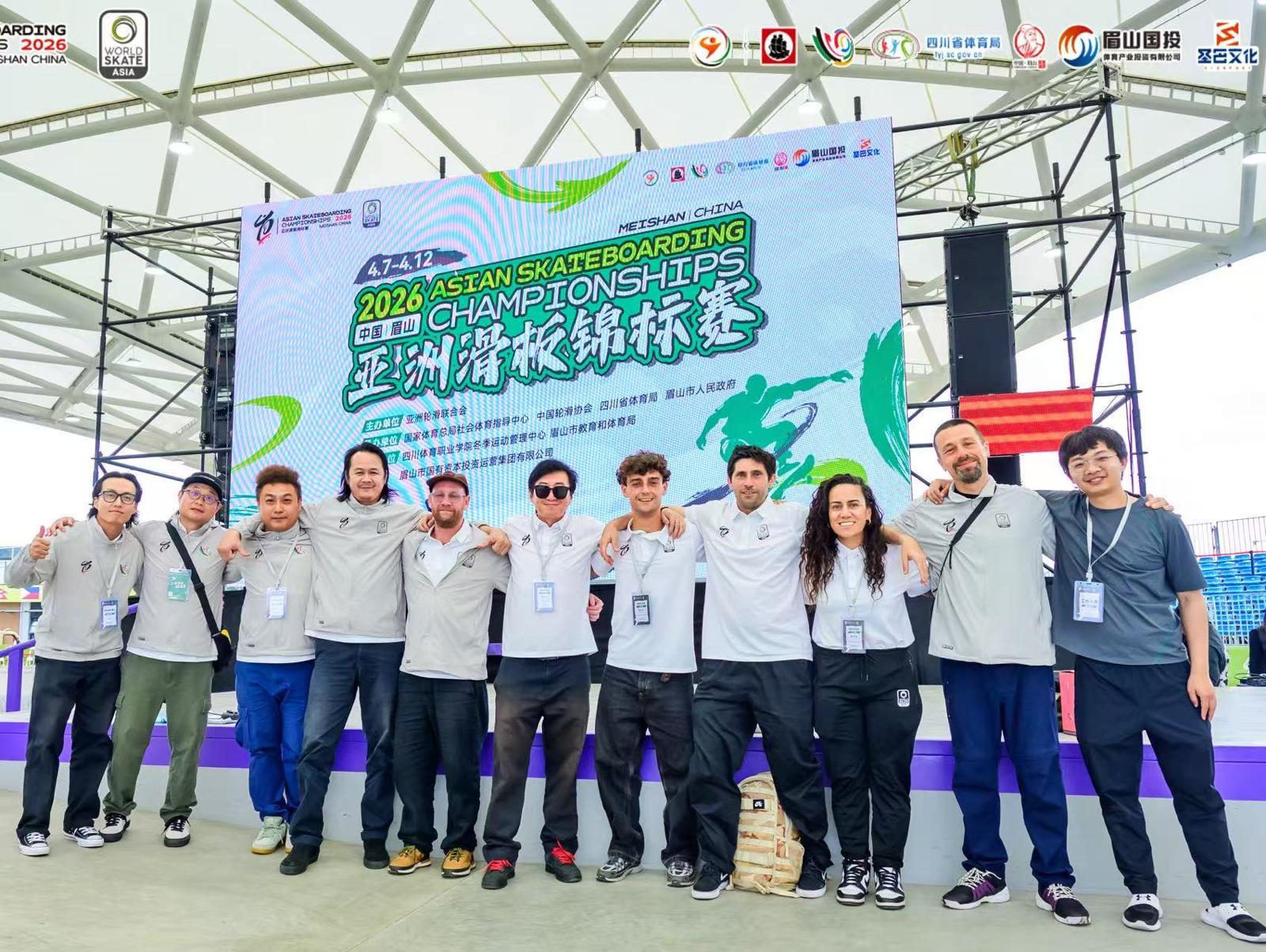
How did you get involved in the judging side of things?
As is common in skateboarding- I’m not immune to concrete anymore! You don’t tend to bounce as well the older you get, and unfortunately injuries have prevented me from being able to continue competing; but nothing can ever take away my passion for skateboarding. I still wanted to be a part of it, so being elected as a member of my country’s national skateboarding board, getting involved with World Skate’s ISJC, and judging skateboarding competitions, have all been a really great way to stay involved and give back to my community and the sport I love. I learned to say ‘yes’ to new opportunities; judging competitions regionally, nationally and then internationally, and I’ve ended up really enjoying where it’s taken me!
I’m very grateful to Martin Karas, Head of Judging at World Skate, and Sonia Griffin who was the Chair of NZSB at the time for seeing potential in me, and all my fellow international judges who have supported me along the way.
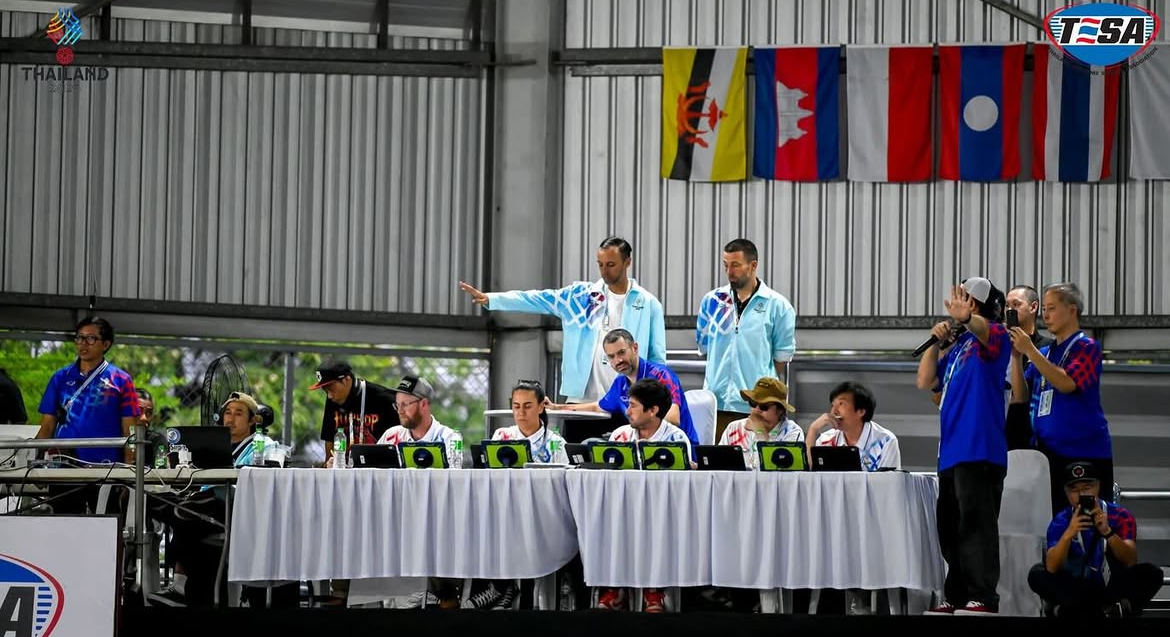
Presumably you must enjoy it, but I'm not sure everybody would see a fun side to judging- what do you get from doing it?
Judging has been a great way of utilizing my lived experience and knowledge I've gained over the years to support the growth of skateboarding. As an ex- athlete, it feels cool to be ‘on the other side’ of the competition, and has given me a different appreciation of skateboarding; how amazing it really is, how incredible our athletes are, and a deeper understanding of the technical side of something I’ve always been so passionate about.
Judging helps me to stay consistently learning as it’s constantly evolving, because no two competitions are ever the same and I’m always seeing something new. There’s such a strong sense of community within skateboarding judging, and I feel really privileged to be able to meet new people from different cultures and walks of life. It has given me a global connection to others with shared passion and values, and I’ve made so many new friends who I may have otherwise never met.
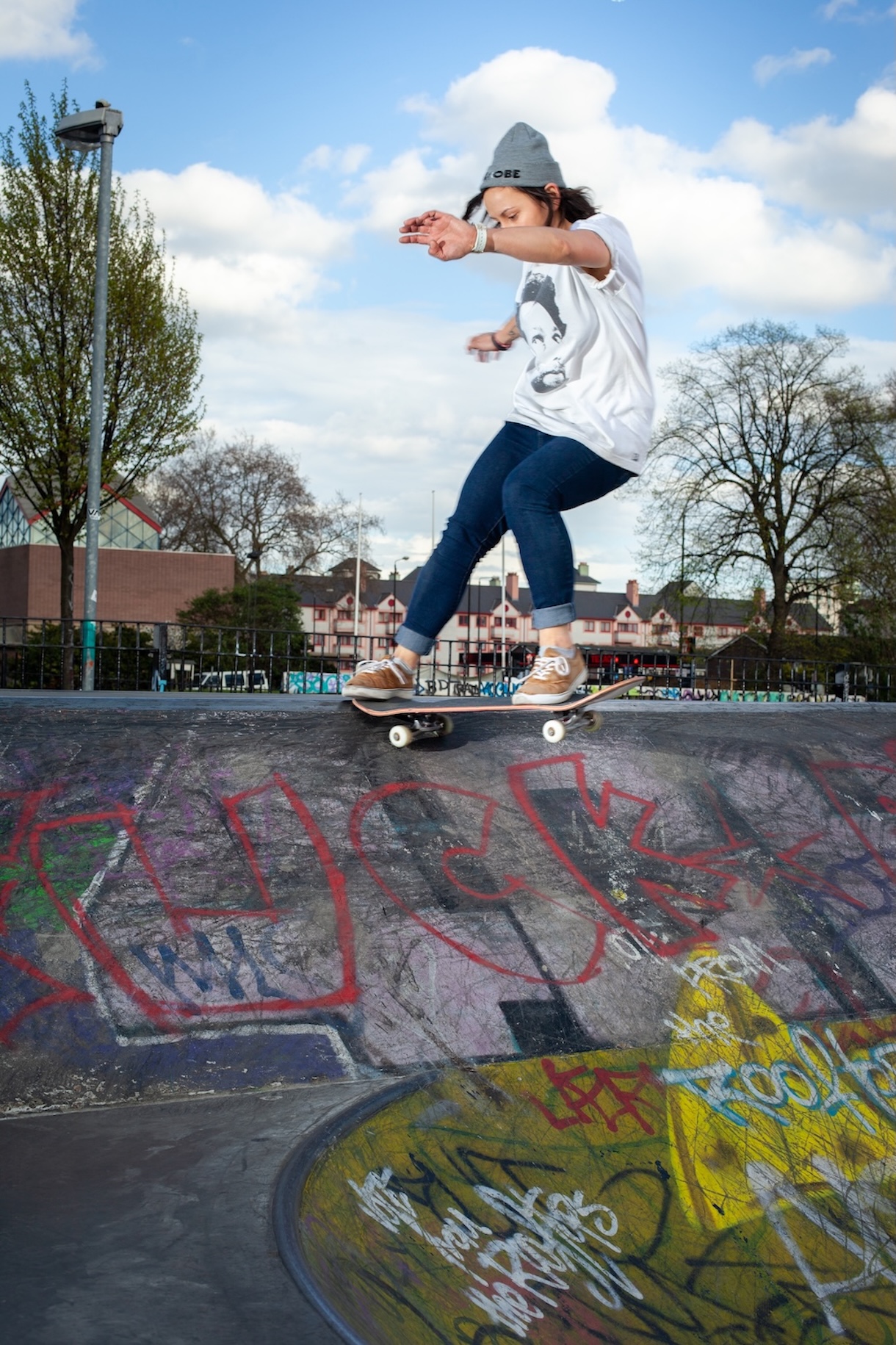
Ph: Jenna Selby
“It’s an indescribably beautiful feeling of freedom- I still love it like I did when I was thirteen.” Discuss.
Skateboarding for me is a love that will never go away. It’s been a staple tool that has helped me in countless ways - mentally and physically. It’s always been a form of self-expression and it’s helped me learn so many things about myself. It’s given me heaps of transferable life skills like courage, confidence and the ability to connect with others.
I see myself being a part of skateboarding in some way for the rest of my life and I’m so excited to see what the future of skateboarding looks like. The progression of female skateboarding in particular, from when I first started skating until now, has exceeded my expectations- and I’m so proud of the representation we now have. As a young person, I became so used to being the only female skateboarder in my own little world, and to be able to now head to a local skatepark and often see the same amount - if not more - female skaters out there blows my mind! To think that I may have played a small part in that change by inspiring other young girls to skate who have had that same ripple-efect themselves, makes me really proud that I put myself out there all those decades ago.
When I reflect back to Stacey Roper, who before my time was one of the only females skating in New Zealand in the 70’s and 80's, and was a massive influence who paved the way for me as a female skateboarder- which was not easy in such a male-dominated sport in those days- I’ll always be grateful. And now, to see younger female skateboarders from New Zealand like Jessica Ready representing our country on a global stage, it feels like passing the torch and knowing it’s in good hands- and I hope women within skateboarding uplifting each other in my country is a tradition that’s carried on for generations to come.
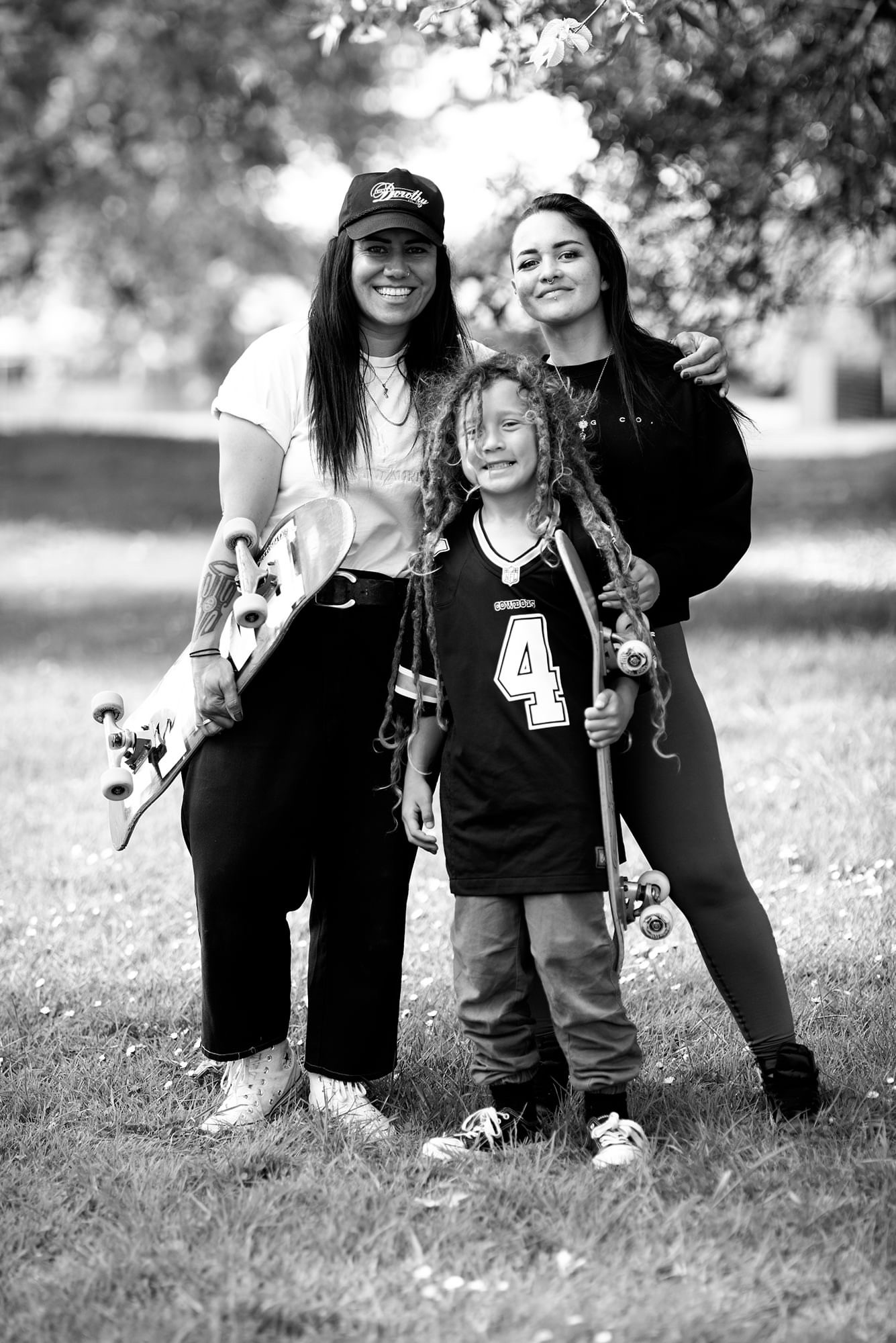
Ph: Dave Chami
What does it mean to represent an indigenous culture on a global stage through skateboarding?
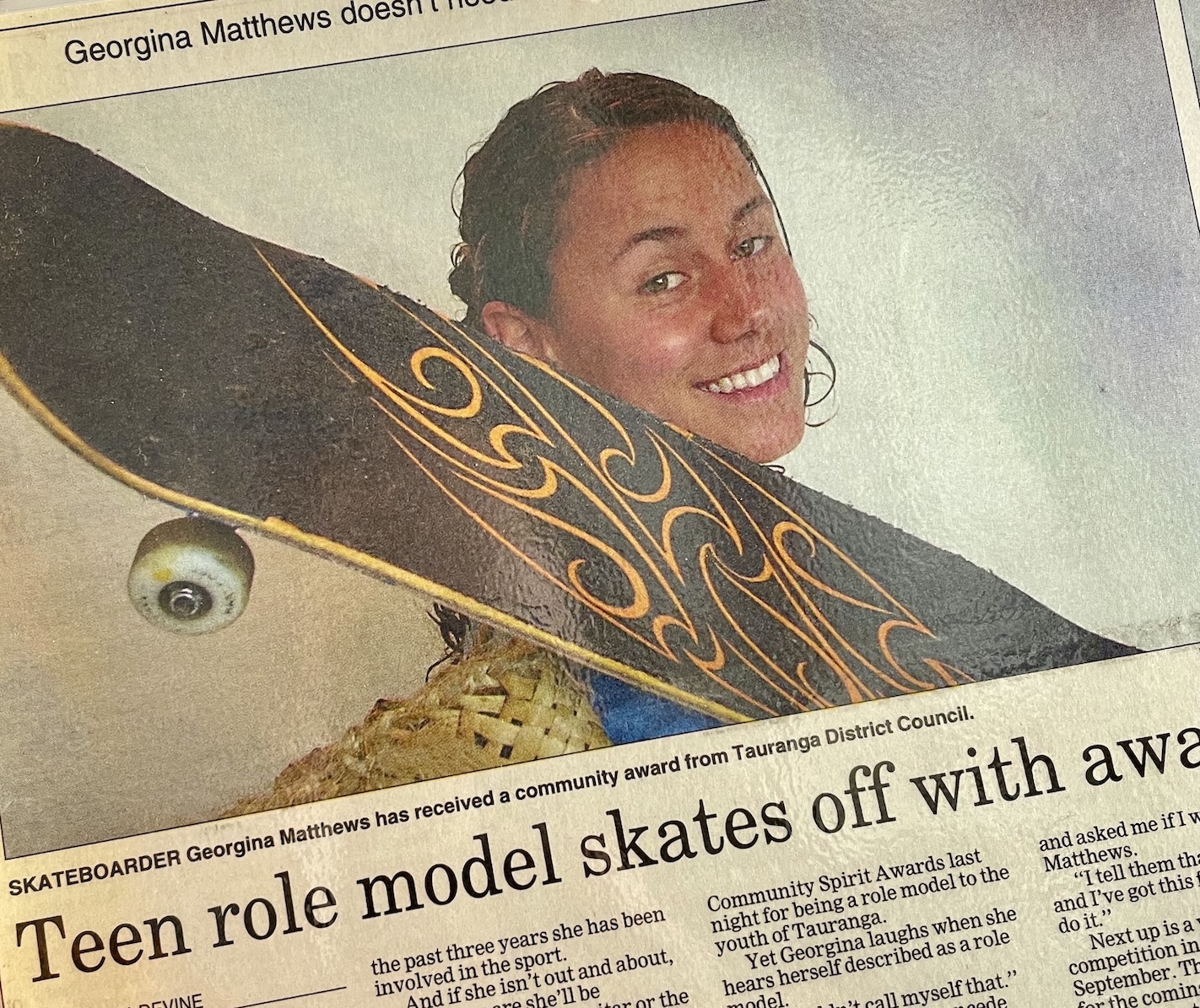
When I was competing internationally, even as a young teenager, I felt a great sense of pride in wearing things like my traditional cultural woven headband, my indigenous Tino Rangatiratanga flag and my bone-carved necklace; always taking a piece of my culture and my ancestors with me on my travels. I also had a really special skateboard with the griptape carved out by a Māori elder with a Māori design that represented strength and agility. I took it with me everywhere, and it was back before griptape designs were popularised, so I know it got a lot of attention and people overseas often wondered where I was from. Some people had never even heard of New Zealand (Aotearoa) - so I had been nicknamed “The Dark Horse” in some of my earlier competitions, which is a title given to someone who nobody knows much about and isn’t expected to win, but exceeds expectations.
That ability to grab international attention and put my little country, and my indigenous people, on the map for skateboarding made me even prouder of where I’m from. Māori have always been creative, innovative and brave people- traits which I have been blessed to inherit and utilised in my career.
When I began skateboarding there were only around 90,000 residents in my home city, and I hope that my story reflects that it doesn’t matter where you’ve come from - anyone can make an impact.
Last words and shout-outs, if you would be so good?
To this day, I am still in awe of how far skateboarding has taken me. I am still connected with fellow athletes who have become some of my best friends. I am very grateful for every sponsor I’ve ever had. I deeply appreciate their belief in me and their support of my skateboarding career.
Some of my past sponsors ended up becoming my full-time employers, which allowed me to learn more about skateboarding and showed me different pathways towards making skateboarding a part of my everyday life outside of competing.
I have been blessed with such a supportive family. As a kid; my dad would take me and my friends down to the skatepark tirelessly, weekend after weekend, and just watch us all day long. My family would drive me to comps and help fundraise to get me overseas to compete. Thank you Mum and Dad for everything you have done to nurture my career and passion for skateboarding! I love you.
Lastly, you know, one thing I love most about our skateboarding culture and community is that we can simply grab our skateboards and head down to a skatepark anywhere in the world, not knowing anyone, and leave having made new friends. That’s just who we are as skaters. I now have friends all over the world thanks to skateboarding.
I will always be grateful for them all, for the opportunities I have been given in life, and proud of my determination to make the most of them. Skateboarding is and always will be a part of me.
Thank you, skateboarding.
* opening boneless photo: Dave Chami